Bike Tests

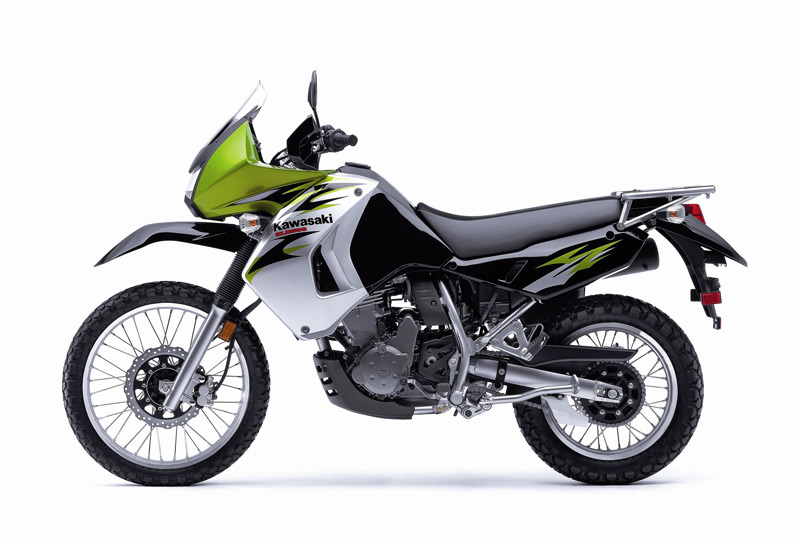
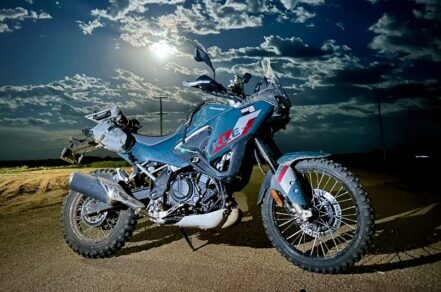
  • 2026 Kawasaki KLE500

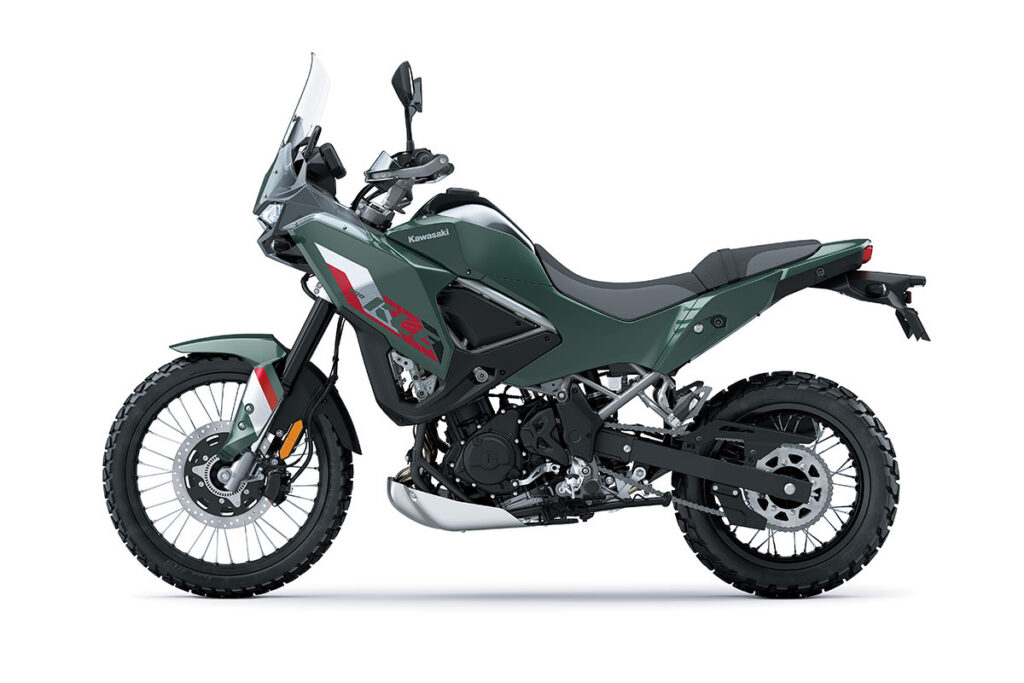
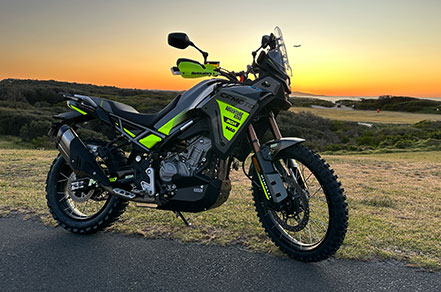
    2026 Kawasaki KLE500

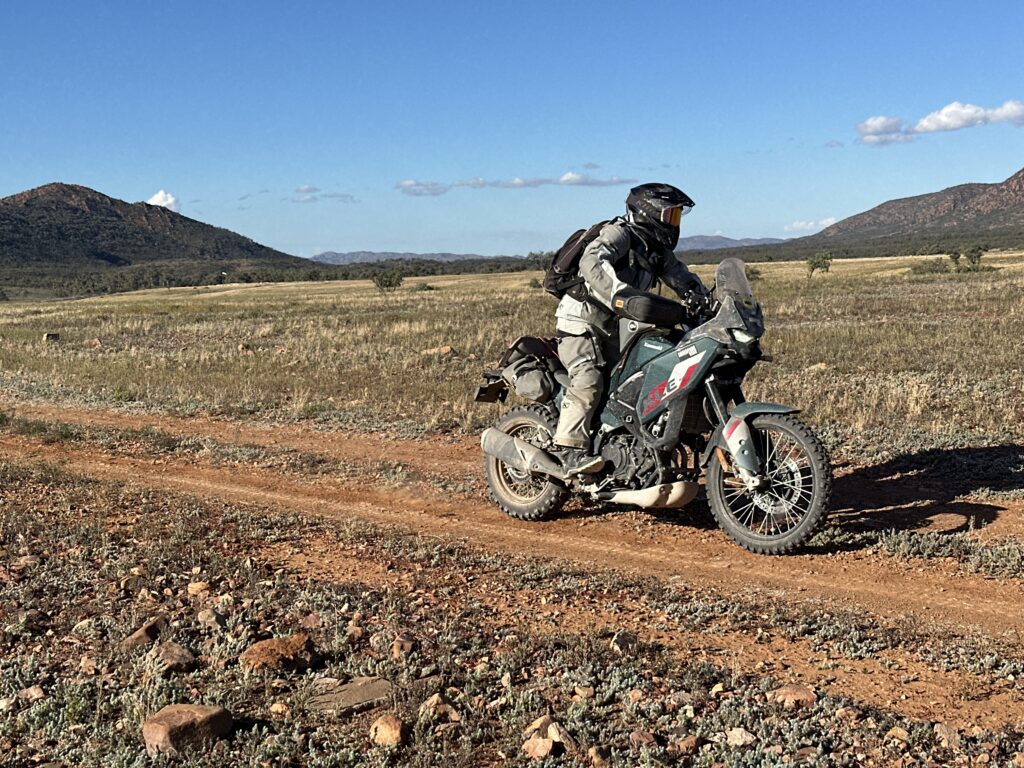
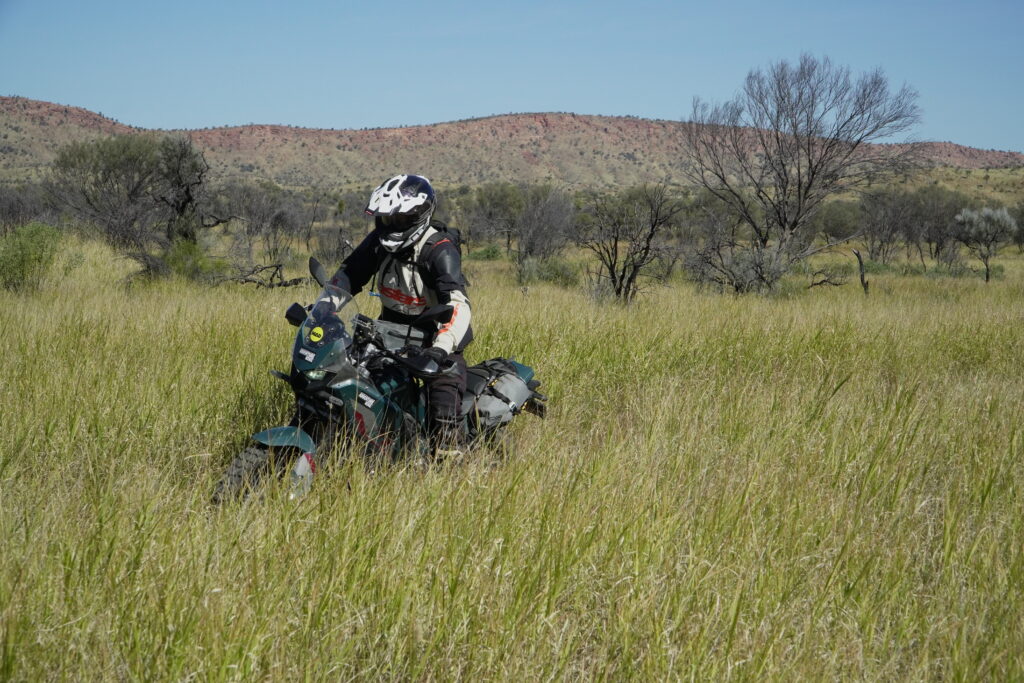
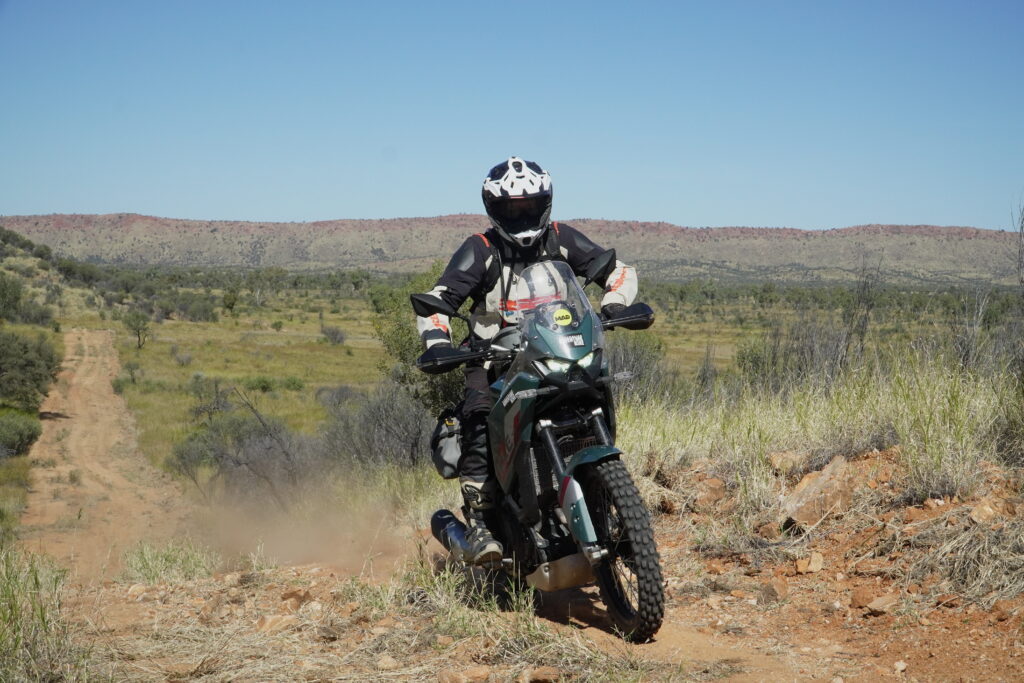
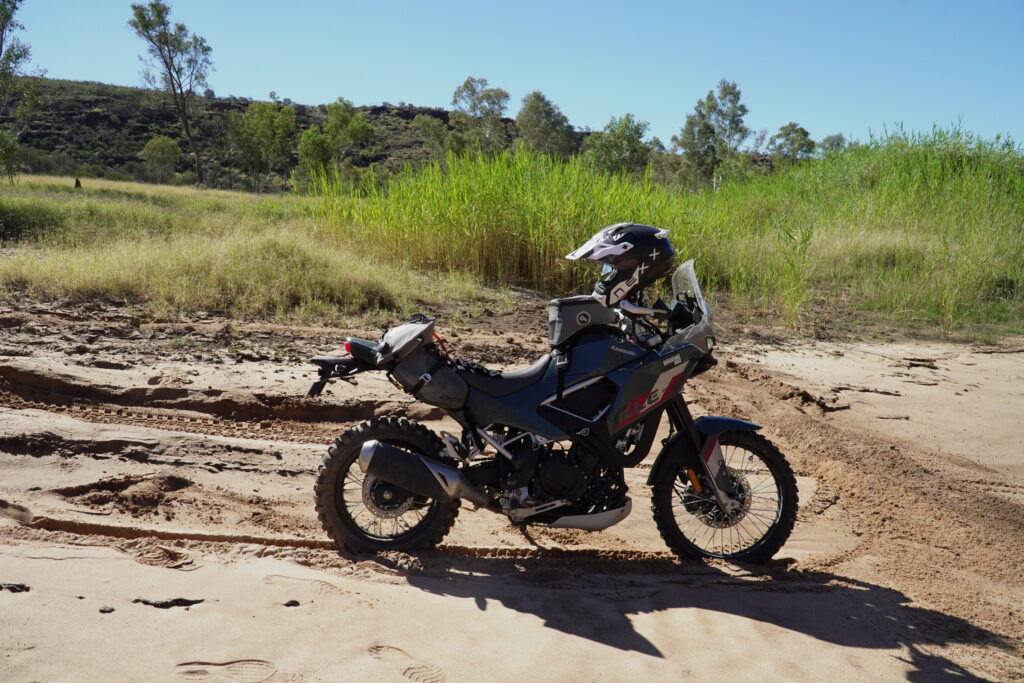
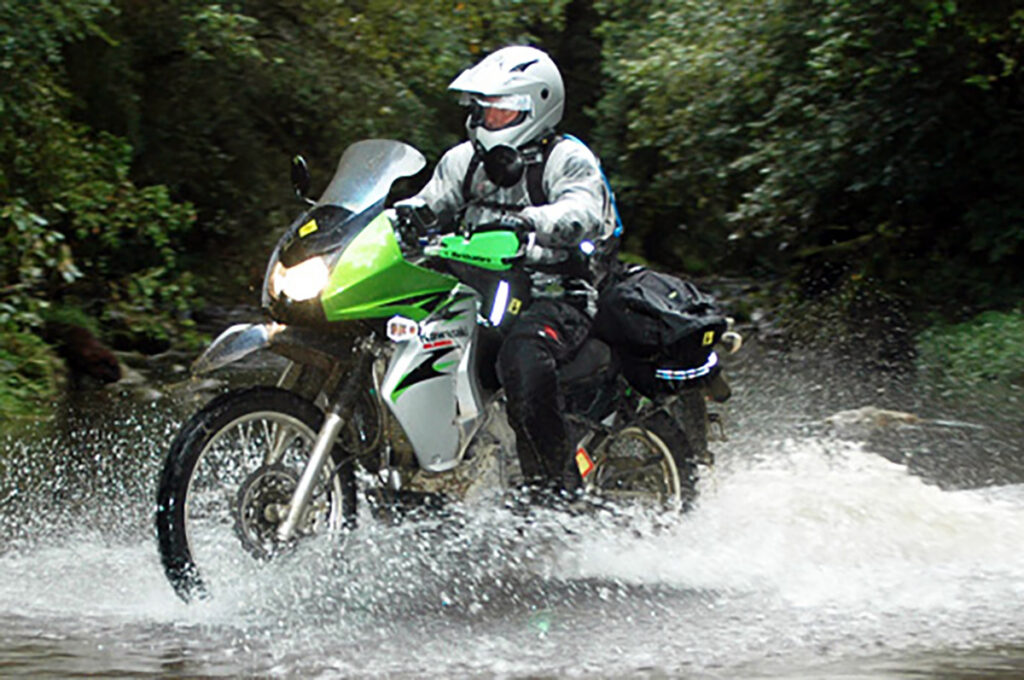
    All we need is some knobby tyres and a prayer

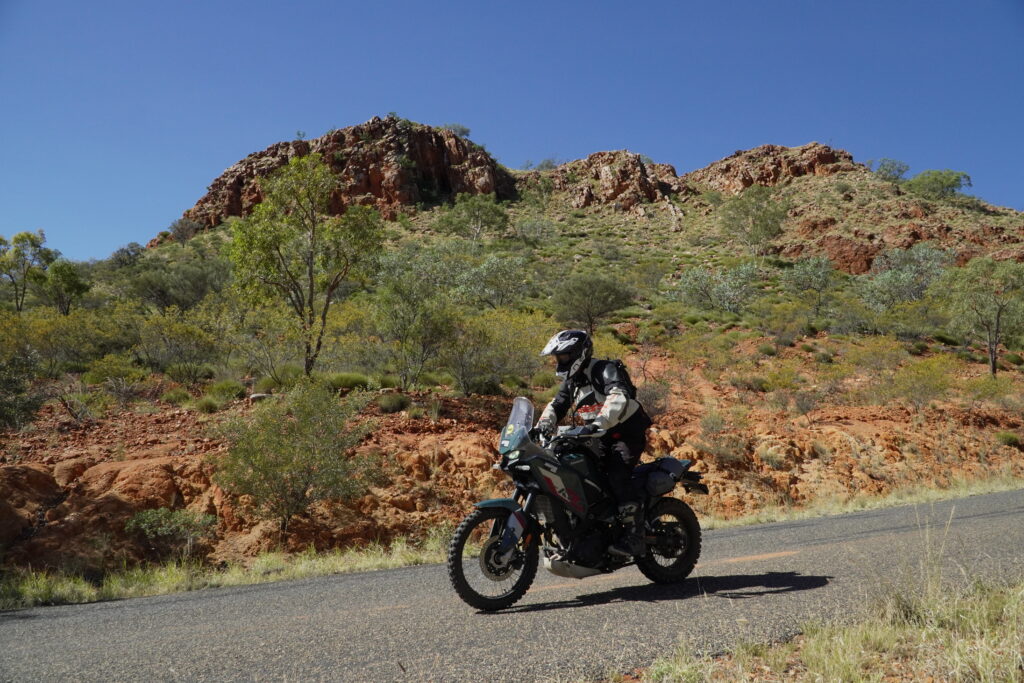
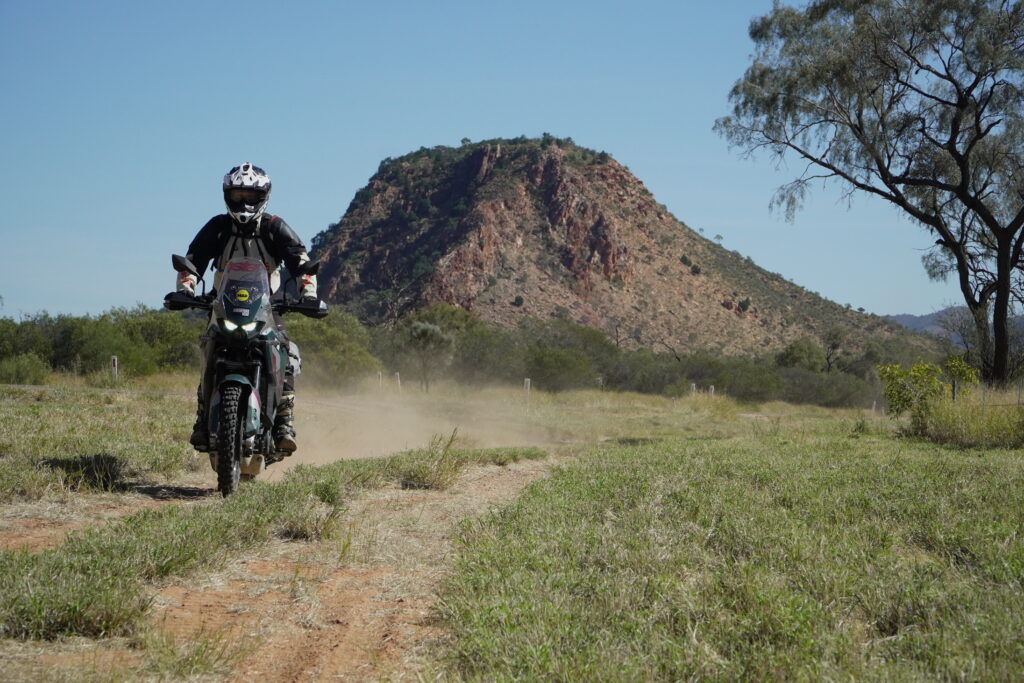
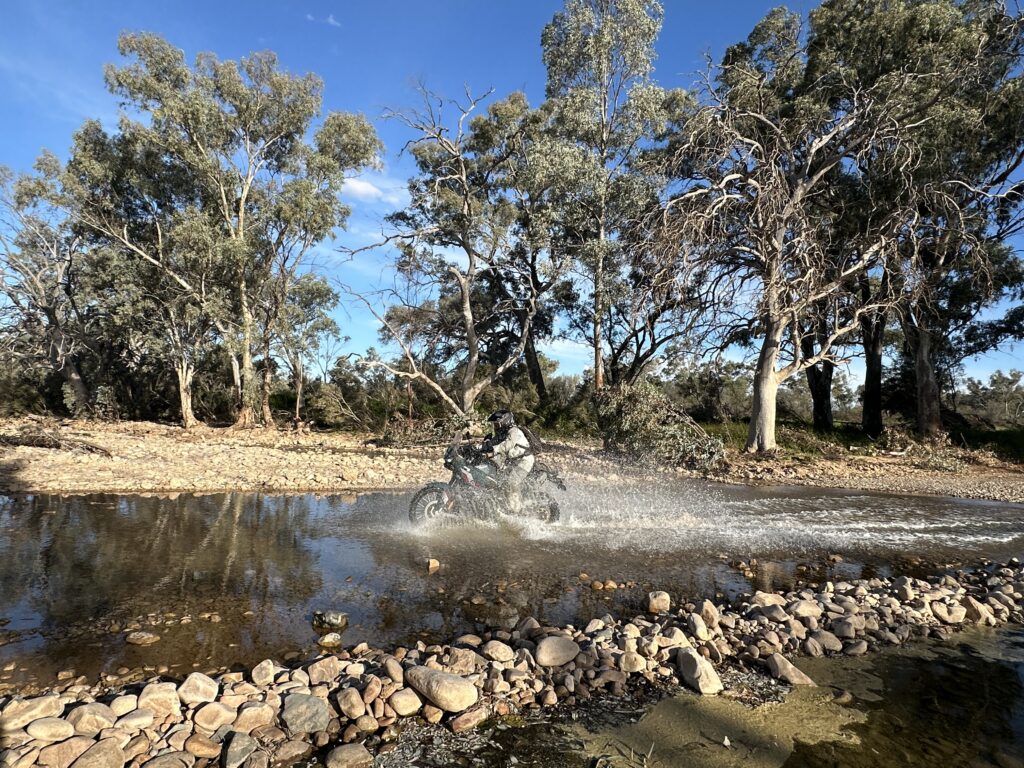
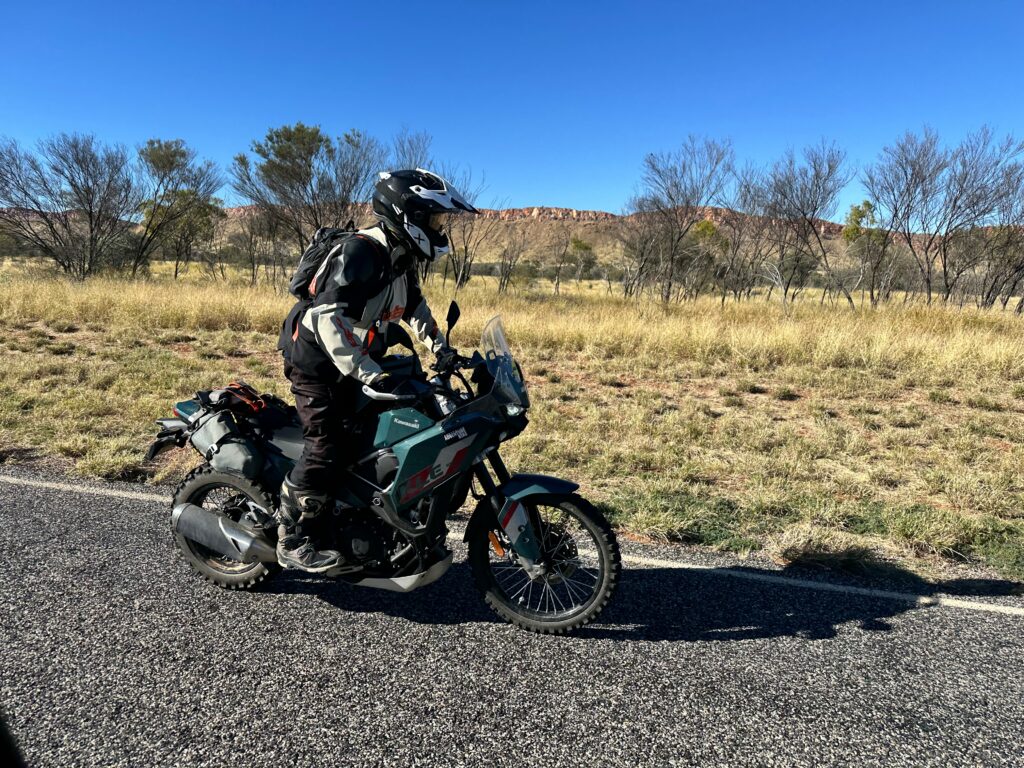
    We Test the KLE500 in the Australia Outback

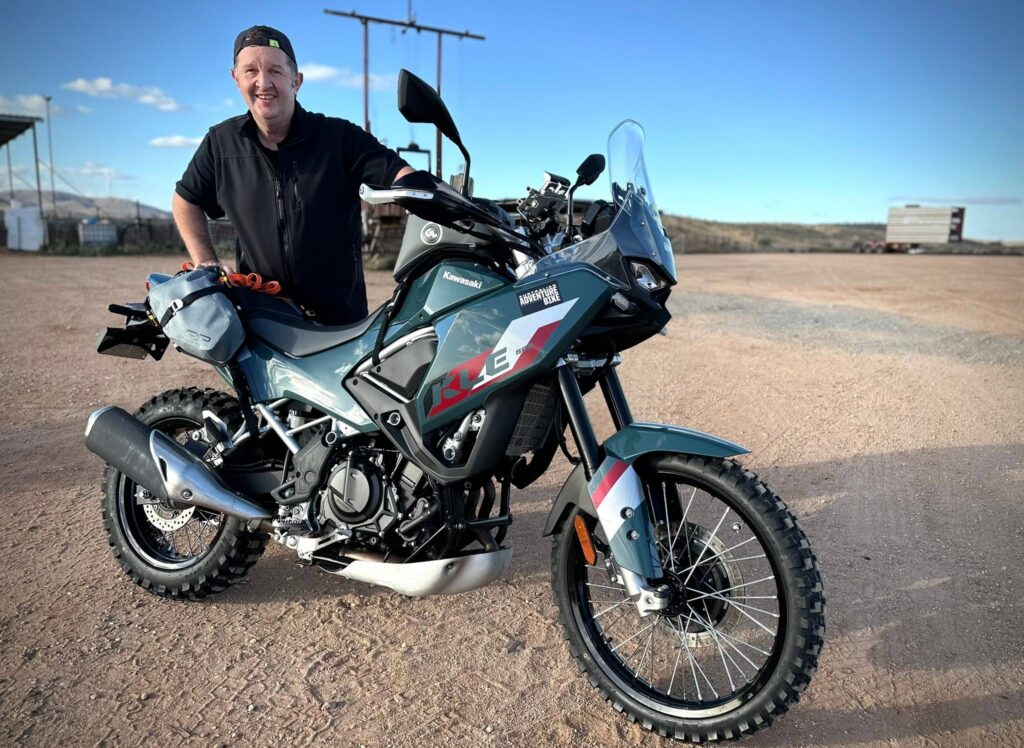
    2026 Kawasaki KLE500

    It has been quite some time since the KLE500 has had a major upgrade.

    The small-size adventure market is getting a bit more attention with new offerings from CF Moto, BMW, Royal Enfield, Honda, KTM but as usual it’s the sound of crickets coming from Yamaha.

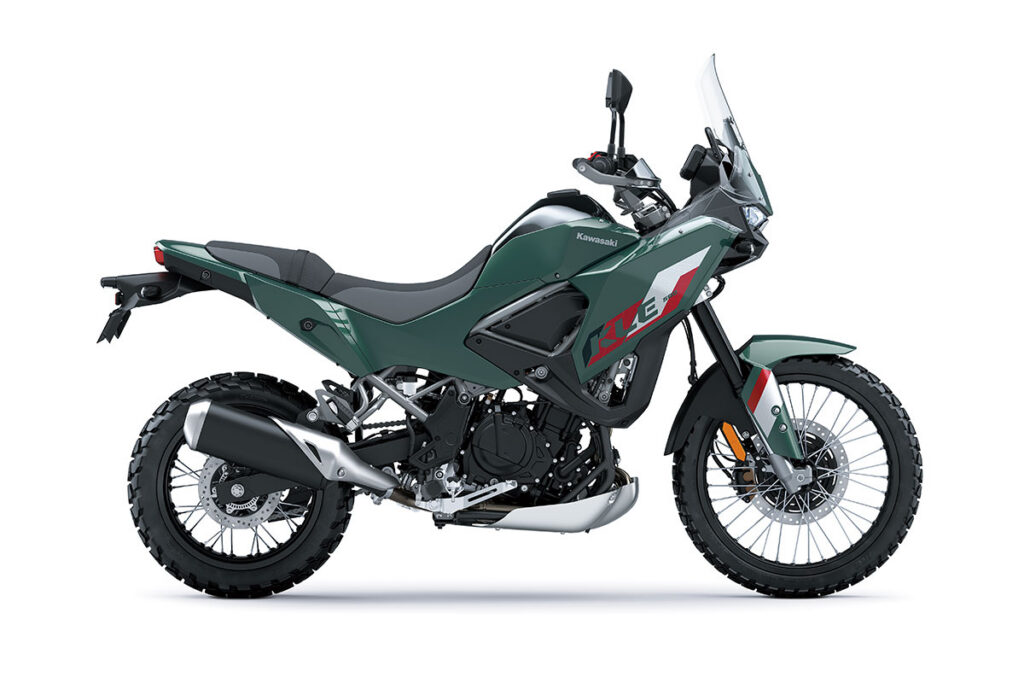
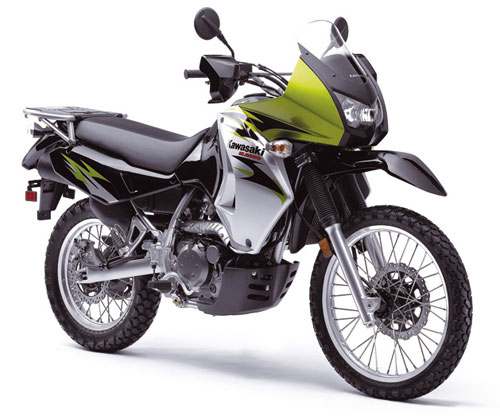
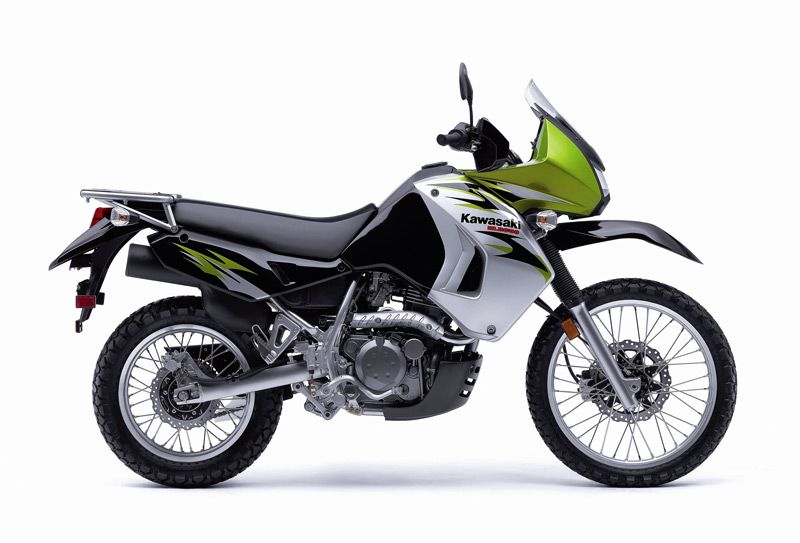
    With the new KLE500 Kawasaki has borrowed bits and pieces from their road bike range. Headlights bulbous fuel tank and engine airbag design.

    Nevertheless it’s a capable easy bike to ride with smooth linear power but for this bike to really shine the suspension geometry will not be everybody’s cup of tea. Kawasaki loyalist soft roaders will love it.

    Overall Score

    8.0

    451cc parallel twin

    51 hp

    195 kg

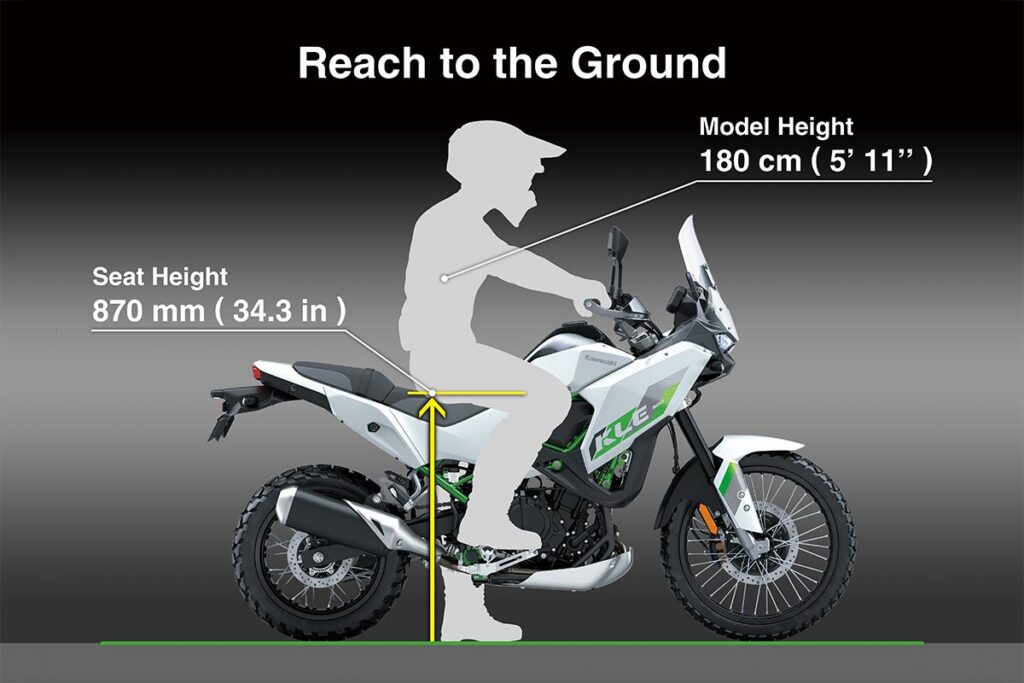
    870 mm

    Linear power
    16 Litre fuel tank
    Rally style screen
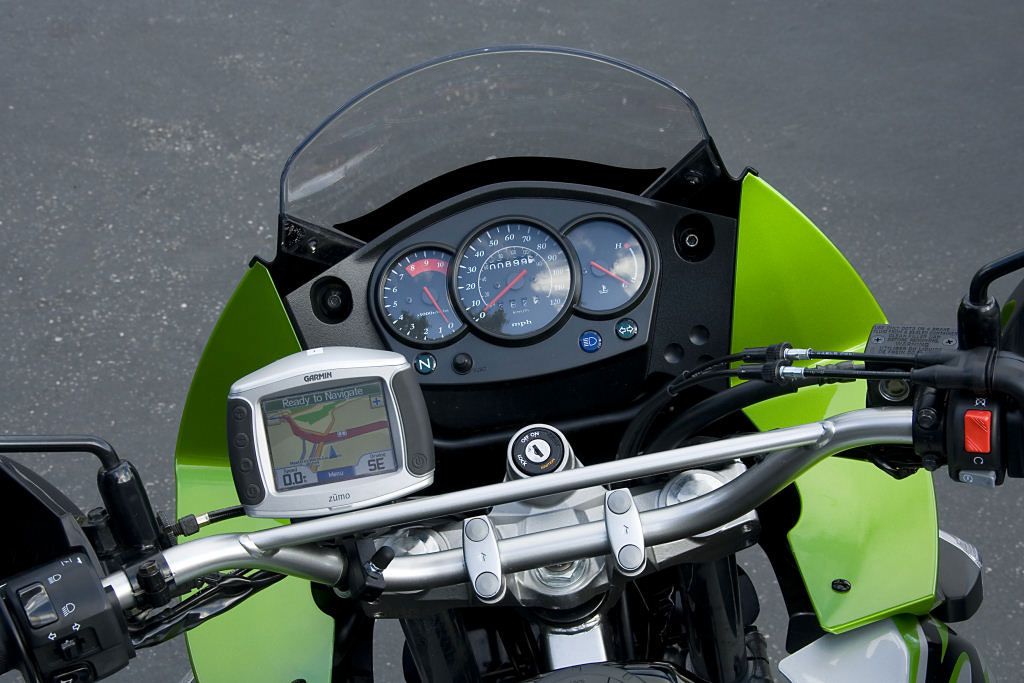
    TFT colour instrumentation
    Smartphone Connectivity
    Average suspension
    Road bike feel
    Poor air filter access

    Verdict

    The KLE500 is not the fastest, most sophisticated or most capable adventure bike, and its age is apparent in the brakes, suspension, highway performance and equipment. If you are going to spend anything on this bike it will be on the suspension.

    But if you value light weight, mechanical simplicity and genuine all-round versatility, those shortcomings are balanced by a motorcycle with plenty of character and very few barriers between you and the next ride.

    What does it cost?

    Australian ride-away pricing varies by dealer and location, but you could score a 2026 KLE500 SE at around $12,600 to $12,800 ride away.

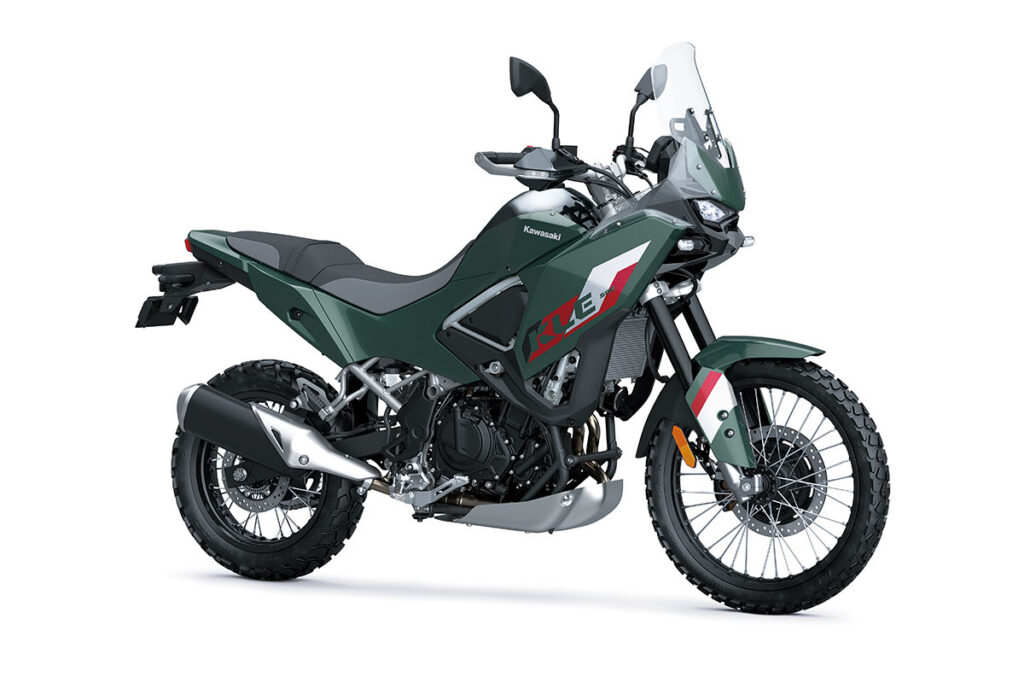
    That’s roughly $1,200 more than the standard KLE500, depending on each individual dealer offers. On paper you’re basically getting the same spec motorcycle with a couple of extra features a 4.3-inch TFT display, all-LED lighting, taller adjustable windscreen, metal-reinforced handguards and a larger aluminium skid plate. 

    In other words, the SE is less about outright performance and more about making the KLE a better-equipped motorcycle straight out of the crate.

    What do you get for your money?

    The core of the KLE500 SE is Kawasaki’s 451cc liquid-cooled parallel twin, producing 33.4kW at 9000rpm and 42.6Nm at 7500rpm. It’s backed by a six-speed gearbox and assist-and-slipper clutch.

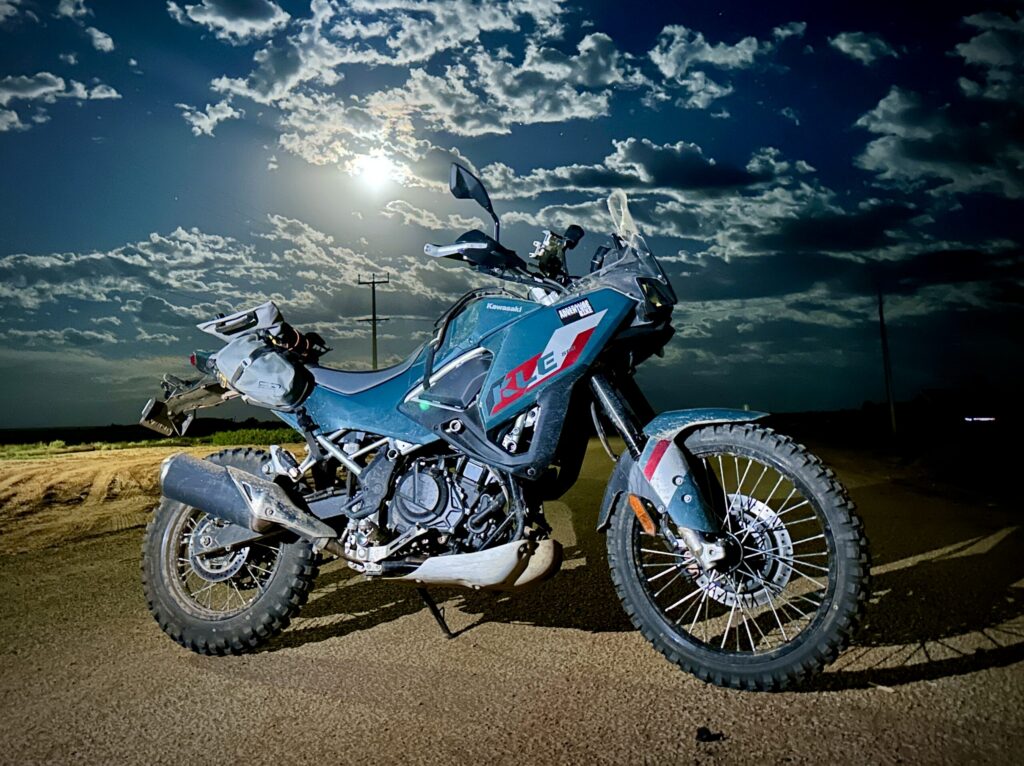
    The chassis is not as adventure-oriented as you would like. There is a high-tensile steel trellis frame, 43mm inverted fork, Uni-Trak rear suspension, 210mm of front travel and 196mm at the rear, plus 21-inch front and 17-inch rear spoked wheels. I don’t know how Kawasaki missed this one but those of you who noted front and rear travel in the previous sentence would now wonder why the ground clearance is only 185mm with a seat height of 870mm. That’s only 5mm less than a Ténéré 700 and a whopping 500mm over the CF Moto 450MT high seat that can be adjusted down to 800mm. Yep, when I pull up I’m looking for kerbs, logs or rocks because a lowering link will no work here with its belly so close to the ground. 

    With a full tank, the SE weighs 195kg, while the fuel tank holds 16 litres which sits high on the bike and with the addition of a tank bag restricts forward movement when standing on the footpegs. Selectable ABS is an essential feature allowing the rider to switch the system off for off-road use.

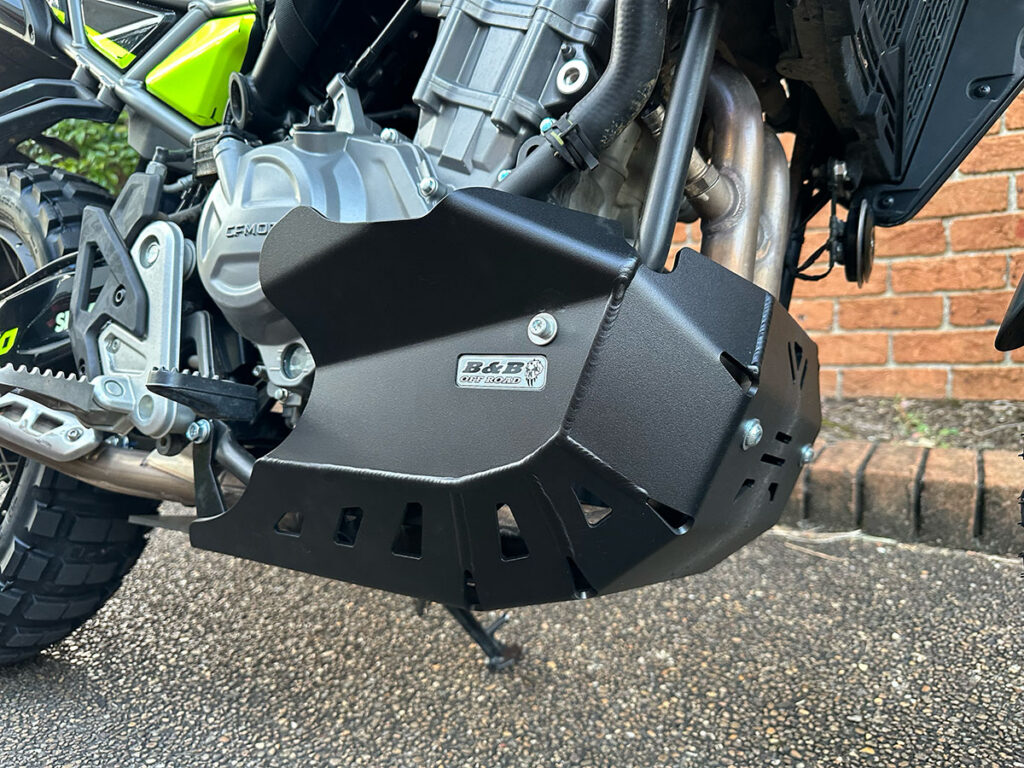
    The SE’s equipment upgrade is significant. The taller screen is 106mm higher than the standard version, while the reinforced handguards and bigger bash plate add some useful protection when the going gets rough. I’d still recommend an aftermarket skid plate with at least 4mm aluminium plate.

    Who’s buying it?

    The KLE500 SE is aimed squarely at the rider who wants one motorcycle to do the lot but isn’t that what all adventure bikes are. It’s LAMS-approved in Australia, making it accessible to learner riders, but there’s enough motorcycle here for an experienced rider to enjoy if this is their first adventure bike. 

    More importantly, this isn’t really a hardcore enduro machine disguised as an adventure bike. Its sweet spot is the rider who spends plenty of time on sealed roads but deliberately looks for the gravel road, forestry trail or unsealed route home.

    That makes the SE particularly interesting for riders who want to travel some distance before reaching the dirt. The upright ergonomics, 16-litre tank and improved wind protection give it considerably more touring ability than a stripped-back trail bike.

    What’s there to like?

    The 451cc twin scream I’m a road race engine. It’s smooth, tractable and sufficiently lively without becoming intimidating but lacks that low down grunt. On the road it’s great and gives the KLE enough performance for everyday riding, while the six-speed gearbox makes the bike easy to live with.

    The 21-inch front wheel tracks confidently across loose surfaces, while the long-travel suspension does a good job of absorbing corrugations and rough gravel. A recent Australian long-term test found the KLE SE planted and confidence-inspiring on forestry roads and easier trails. 

    The ergonomics are another strong point. There’s plenty of room to move around and the standing position feels natural. The bike encourages you to ride rather than constantly fight the controls. The bike feels narrow between the legs and once I got my eye in on the flowing Flinders Ranges roads it was well behaved and predictable.

    And the SE’s equipment makes a genuine difference. The TFT is a substantial upgrade over the standard bike’s LCD, while the larger screen and handguards make long road sections more comfortable. 

    Perhaps the most appealing thing about the KLE is its simplicity. There are no ride modes or traction control systems to distract from the basic business of riding. You get selectable ABS, a conventional engine and suspension package, and a motorcycle that feels relatively uncomplicated. That works for me.

    What’s not to like?

    If you’re the kind of guy who like to maintain their own bike, and most of us are, then changing the airfilter will do your head in. It involves multiple panels and fuel tank removal to access the airbox. You can see our outback filter change video here.

    Away from that the KLE is comfortable on gravel and easier trails, but it isn’t designed to be thrown at big obstacles in the manner of a dedicated enduro machine. Its 185mm of ground clearance is just not enough for dirt-focused adventure bikes. 

    Suspension is where the KLE500 needs all it’s focus. Out of the box it’s too soft and we wound as much as possible and after this test the KLE is getting a major suspension upgrade. 

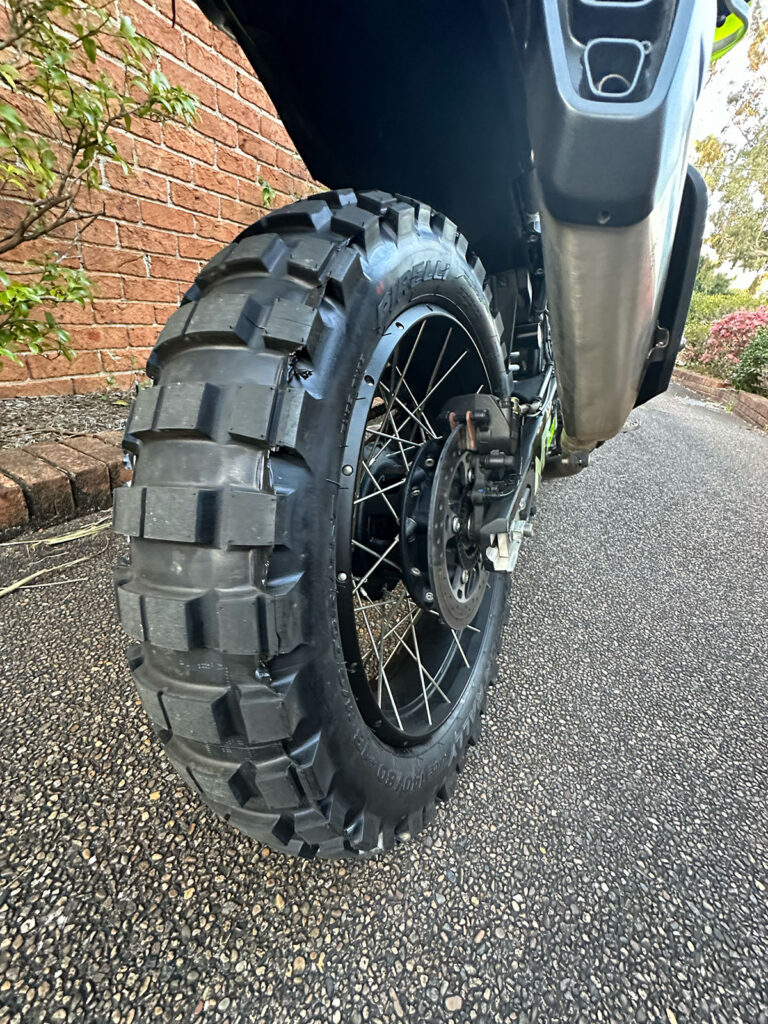
    The standard tyres are another compromise. They’re perfectly adequate for commuting and gravel, but not for what we had planned. We flicked the standard hoops and fitted Michelin Anarkee Wilds. 

    At around 110km/h on the tarmac the engine creates a weird note like a high pitch vibration coming through the bars and footpegs. I’m not sure if it was our tyre selection but other reports reflect similar comments.

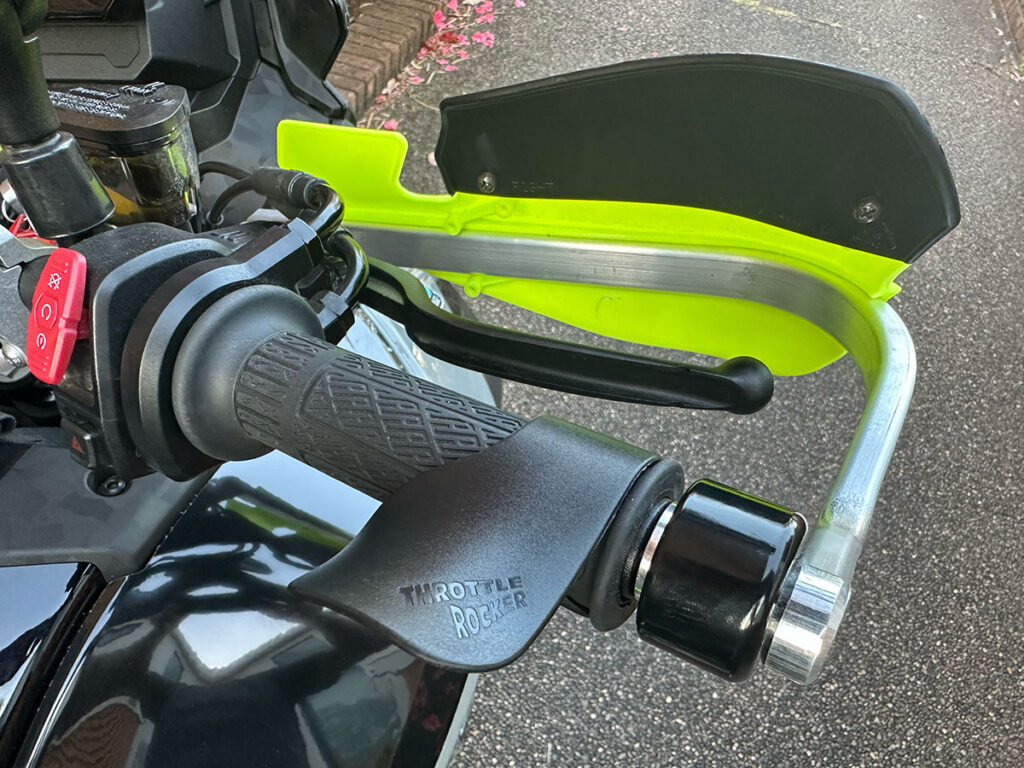
    The may SE lack cruise control, ride modes and traction control but at this price point I wouldn’t be expecting that. Cruise control would be nice given the KLE’s ability to cover serious road kilometres but a Throttle Rocker or Throttle Stabiliser will suffice. 

    Verdict?

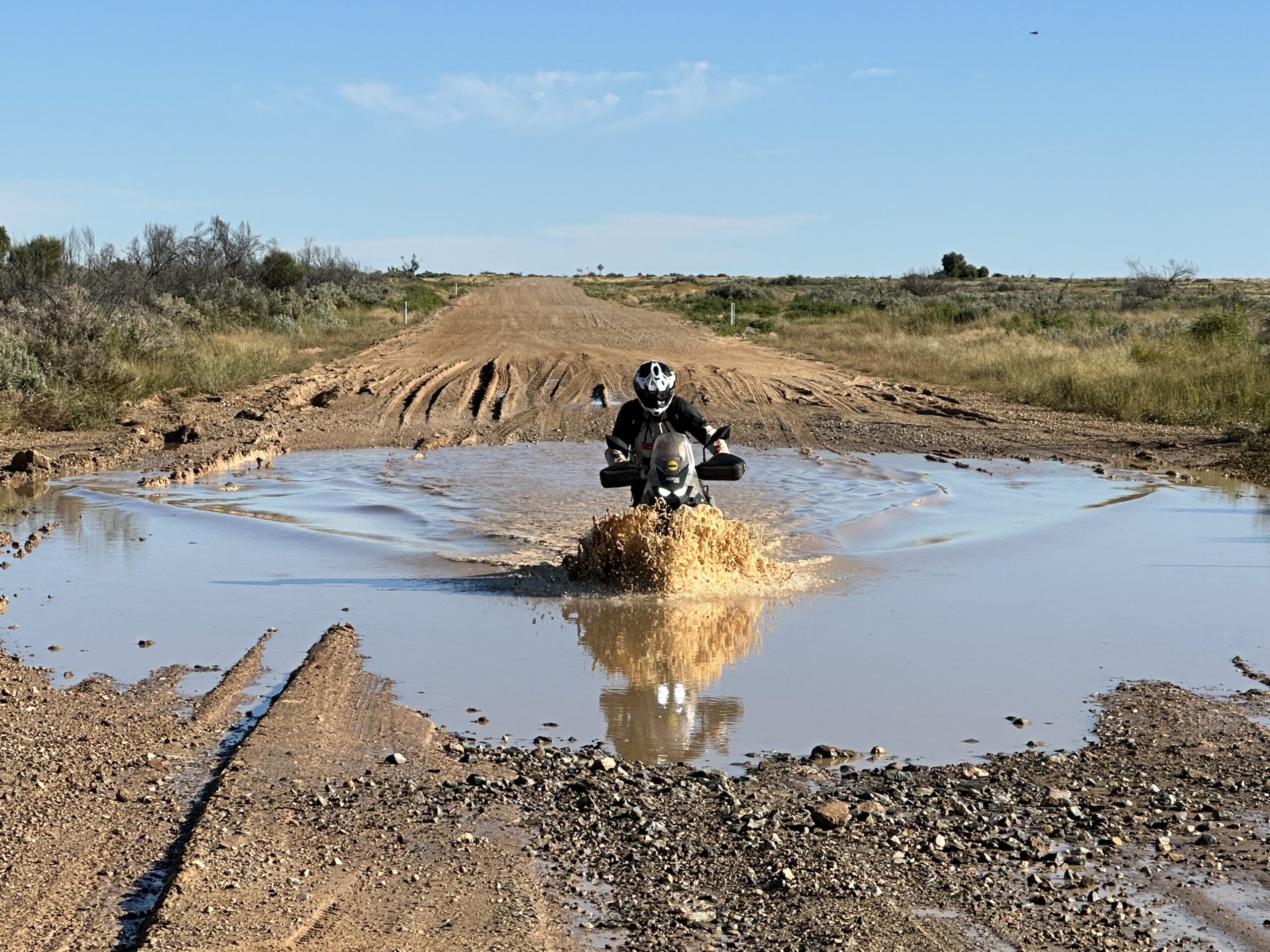
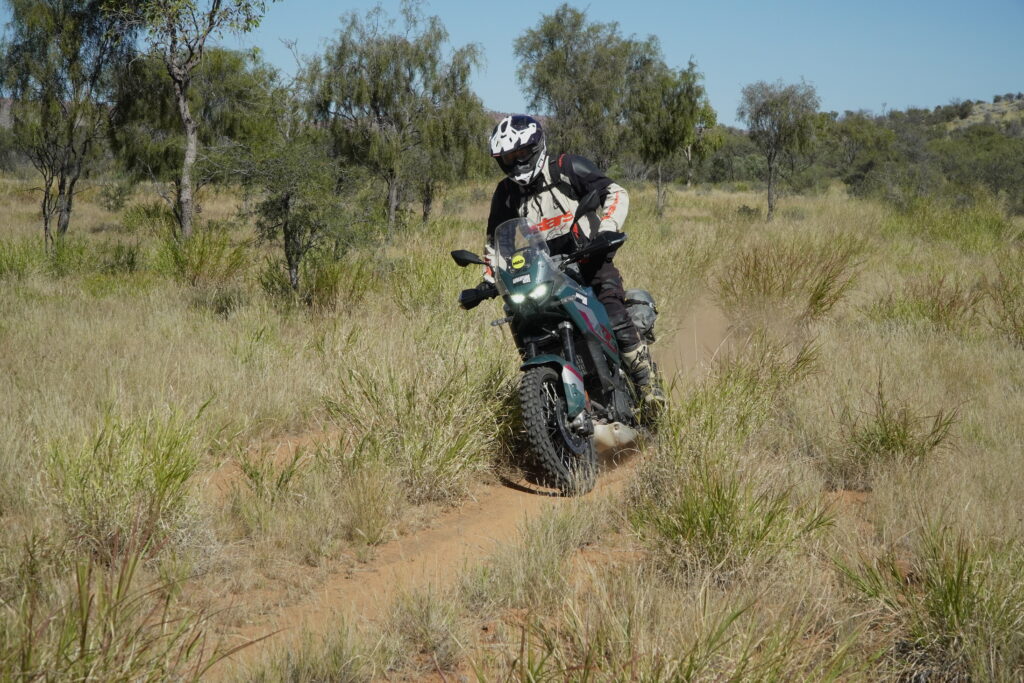
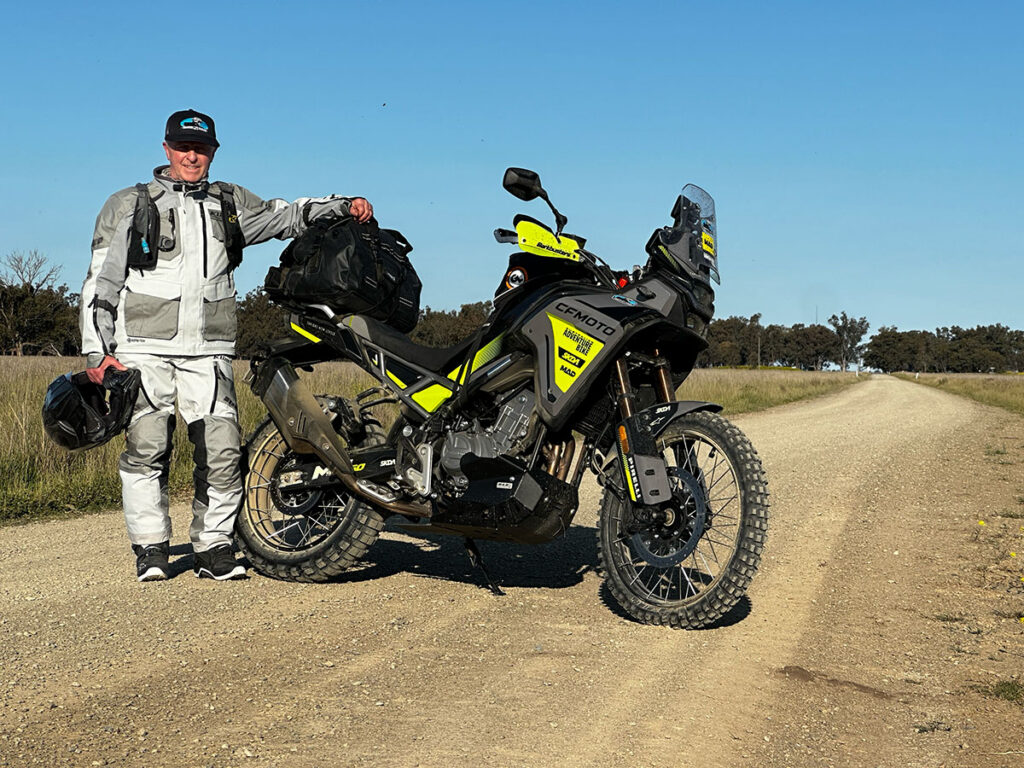
    When Australian Adventure Bike Magazine editor Andrew Clubb told me he was taking the KLE500 on our Gallys Gallop ride to the Finke Desert Race I thought he had lost a bet. With so many well-equipped adventure bikes in the AABM stable why would you?

    One of the big takeaways for me is that you can feel the difference between a Japanese manufactured bike as opposed to something that’s rolled out of a Chinese or Indian factory. The KLE500 felt tight, solid, well finished and refined and climbing back onto my 450MT made that glaringly obvious.

    Needless to say, the KLE isn’t a hardcore off-road weapon. The weight, modest ground clearance, tall seat height and relatively soft suspension set clear boundaries on how aggressively it wants to be ridden away from the bitumen.

    For riders looking for a middleweight adventure motorcycle that can commute during the week, tour at the weekend and confidently explore gravel and forestry roads, the KLE500 SE will do the job and we conquered the outback to prove that exactly.

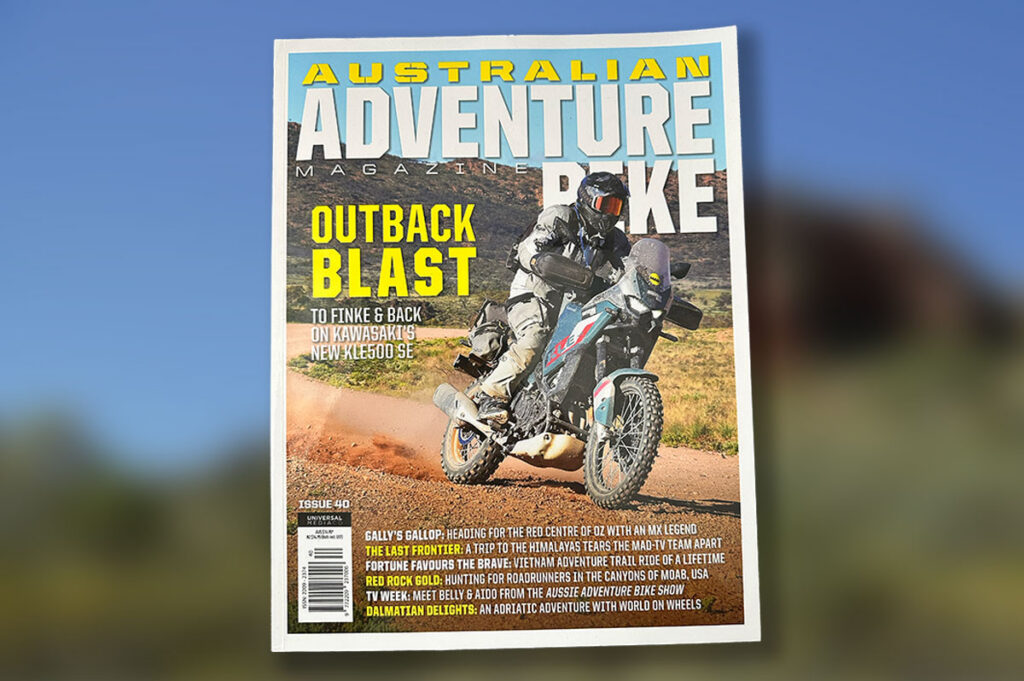
    Read Clubbys KLE500 test in Issue 40 of Australian Adventure Bike Magazine.
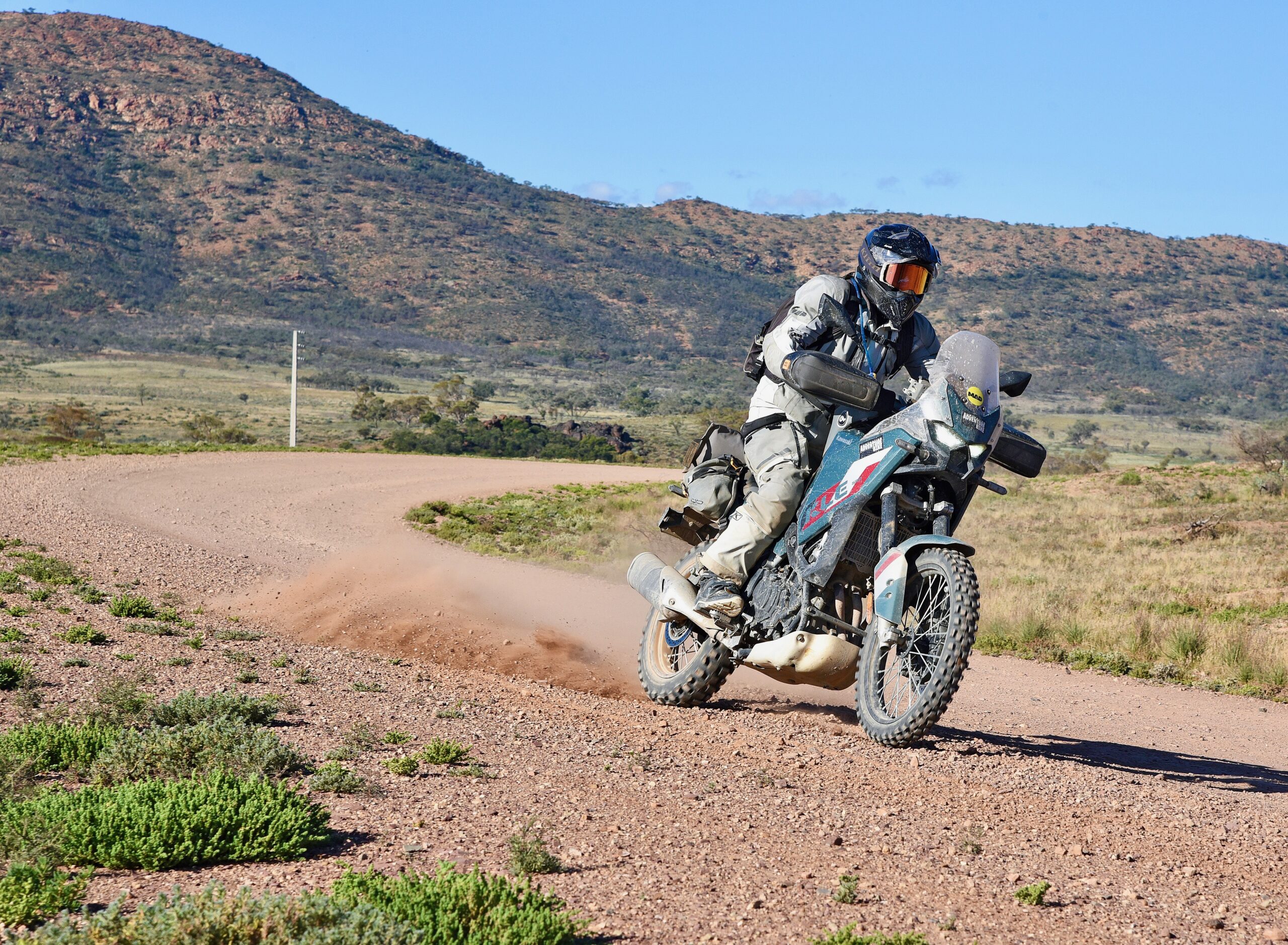
  • 2024 CF Moto 450MT

    2024 CF Moto 450MT

    It’s no wonder the CF Moto 450MT has out sold all other adventure bikes in the australia

    2024 CF Moto 450MT

    Five years ago, I would not have given a Chinese bike the time of day but since the partnership between CF Moto and KTM perceptions of the Chinese brand has taken an about face. I liken it to the emergence of Japanese automobiles and motorcycle in the late sixties and early 70’s and this is just the beginning.

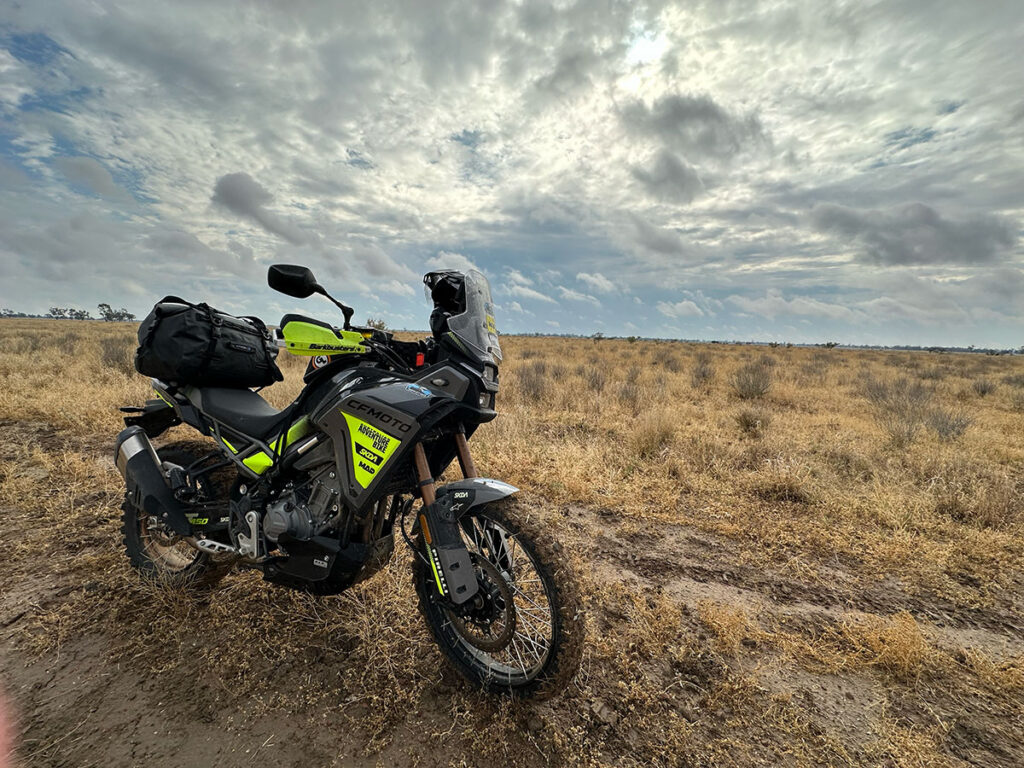
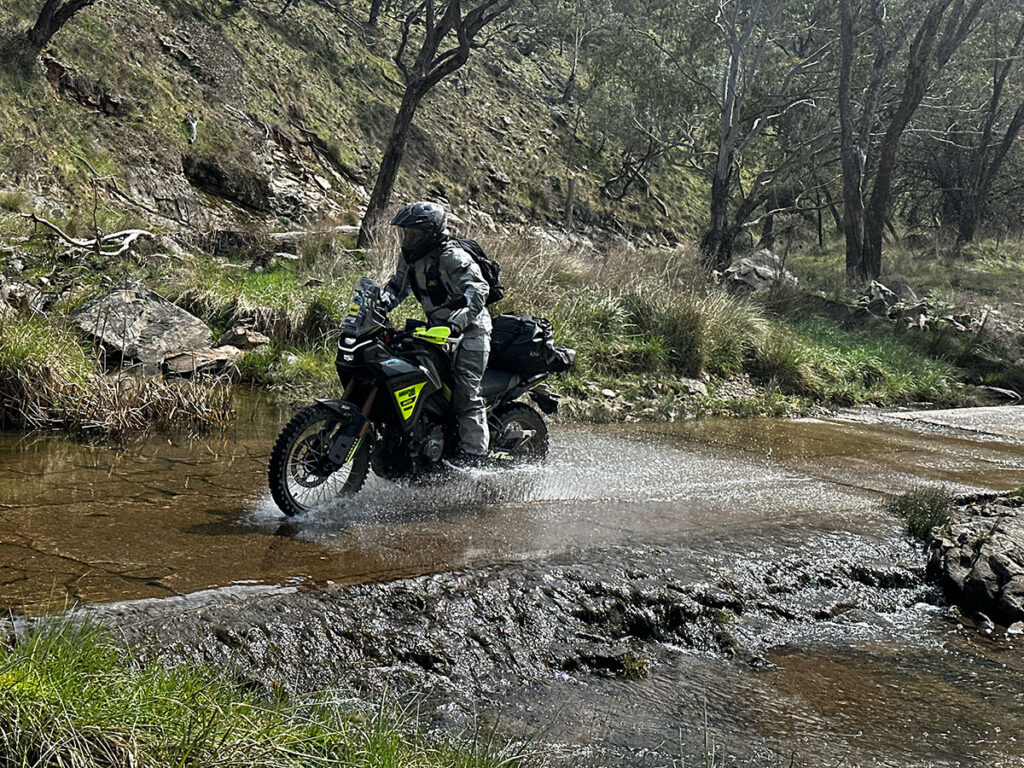
    So, when CF Moto introduced the 450MT with a design that bucked the Indian agricultural design trend I was forced to take notice. The crunch came when Australian Adventure Bike Magazine Editor Andrew Clubb invited me to pilot the AABM long term 450MT on a 3000-kilometre odyssey from Sydney to Broken Hill up into Queensland to Thargomindah then east turning south and back to Sydney… who am I to say no?

    Overall Score

    8.5

    449cc Twin Cylinder

    44 hp

    175 kg

    820 mm

    Affordable
    KYB Suspension
    Twin Cylinder Powerplant
    Yet to be proven reliability
    Low geared

    Verdict

    The 2024 CFMOTO 450MT has a characterful parallel-twin engine, quality KYB suspension, proper adventure-bike wheel sizes and useful electronics. KTM‘s DNA is evident and it offers a package that should appeal to both newcomers and experienced adventure riders.

    CFMOTO has certainly shaken things up with this bike. It offers a genuine adventure motorcycle package at a price that puts pressure on some established manufacturers. If you’re looking for an affordable, well-equipped middleweight adventure motorcycle that offers genuine off-road potential, the CFMOTO 450MT deserves a serious look.

    Buying Secondhand

    Not much to report just yet but if there are issues we’ll find them.


    When you compare adventure riding in Australia to somewhere like Europe the riding conditions and unforeseen conditions can have a greater influence on what bike you choose. What I’m trying to say is that conditions in Australia can change dramatically and suddenly that 700cc plus bike becomes an anchor that is of no use to you.

    Having experienced getting marooned alone in the Flinders Ranges when a freak rainstorm blasted through while sweeping a Ténéré Tragics ride I’ve looked for lightweight alternatives that did not exist. At the time I was on a 2016 Tenere XTZ660. I’d already built our WR250R rally inspired Ténéré but unfortunately it just doesn’t have the legs to comfortably pull long k’s on the tarmac. If only there was a midweight alternative with double the engine capacity.

    Five years ago, I would not have given a Chinese bike the time of day but since the partnership between CF Moto and KTM perceptions of the Chinese brand has taken an about face. I liken it to the emergence of Japanese automobiles and motorcycle in the late sixties and early 70’s and this is just the beginning.

    So, when CF Moto introduced the 450MT with a design that bucked the Indian agricultural design trend I was forced to take notice. The crunch came when Australian Adventure Bike Magazine Editor Andrew Clubb invited me to pilot the AABM long term 450MT on a 3000-kilometre odyssey from Sydney to Broken Hill up into Queensland to Thargomindah then east turning south and back to Sydney… who am I to say no?

    What Is It?

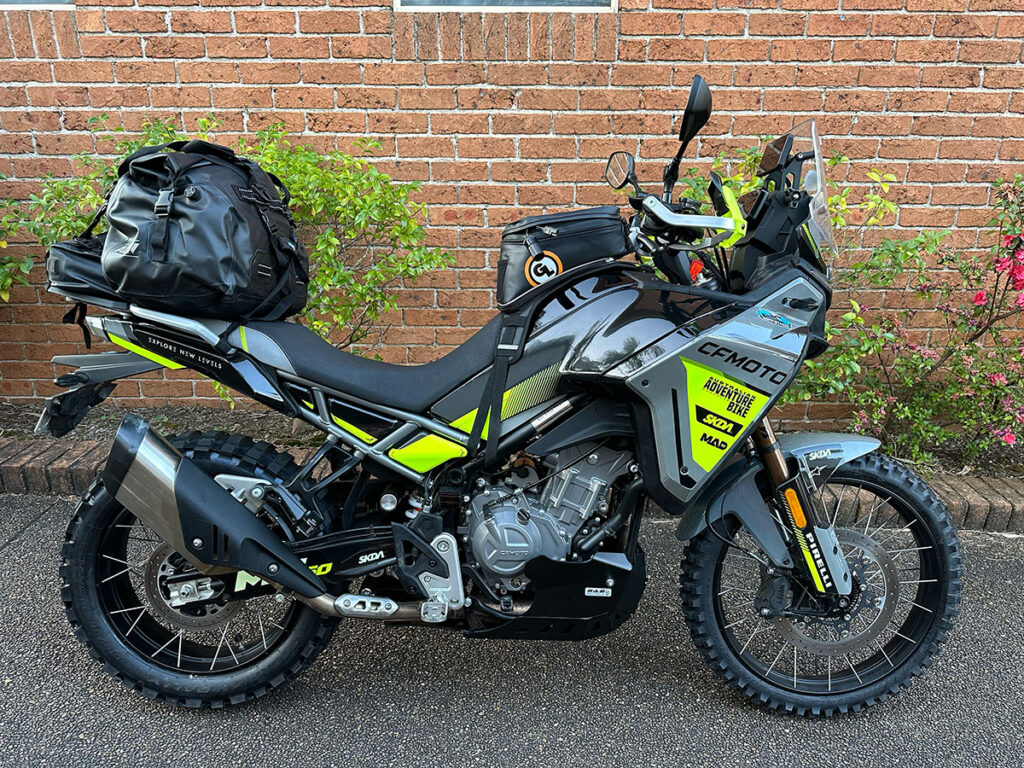
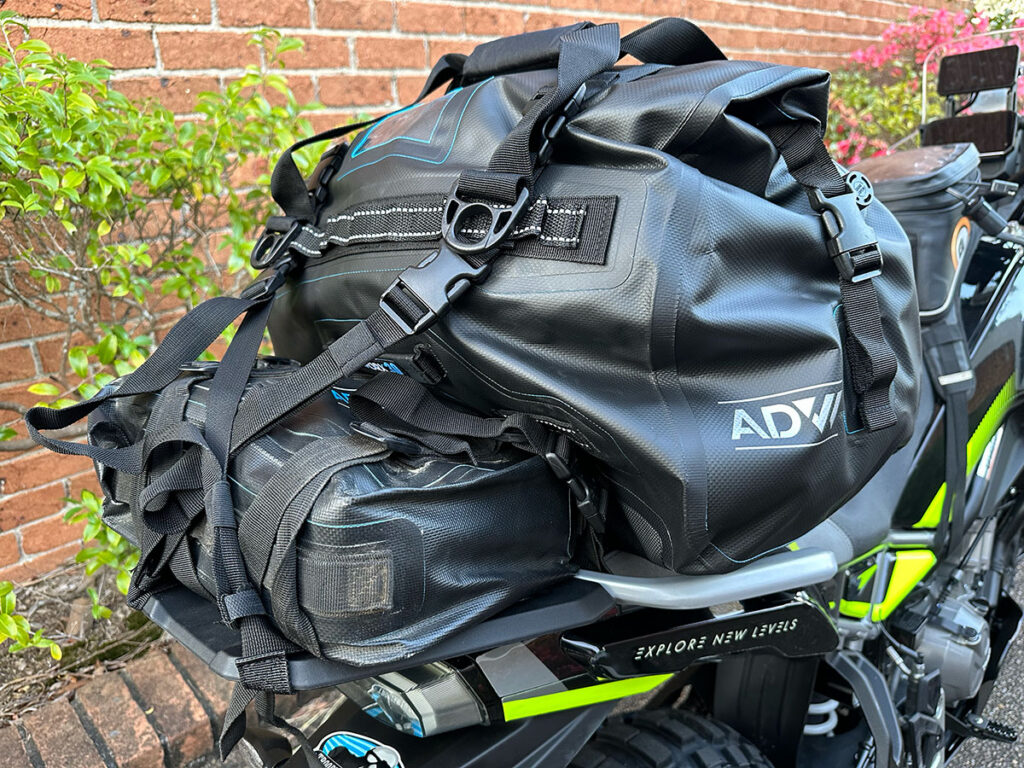
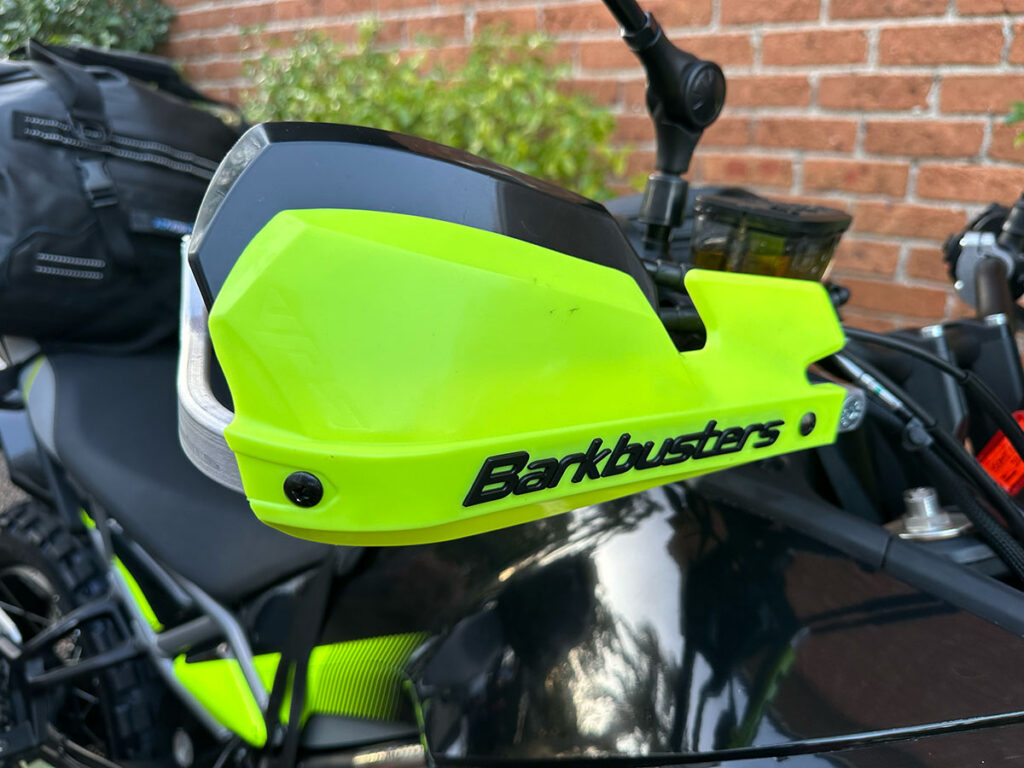
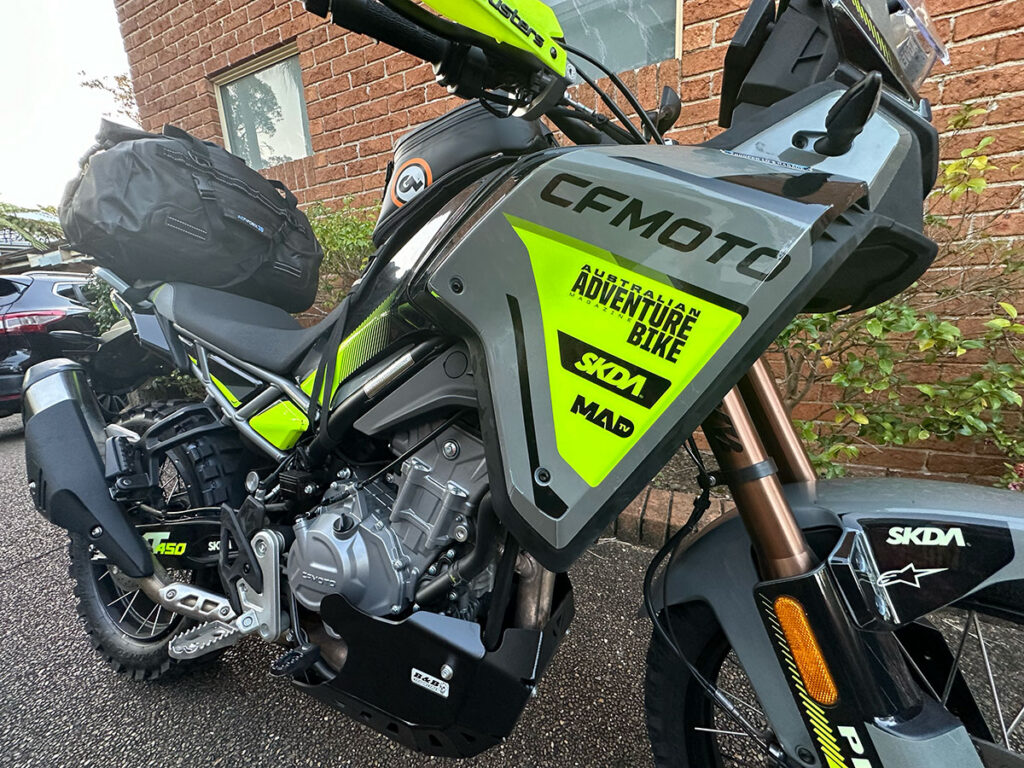
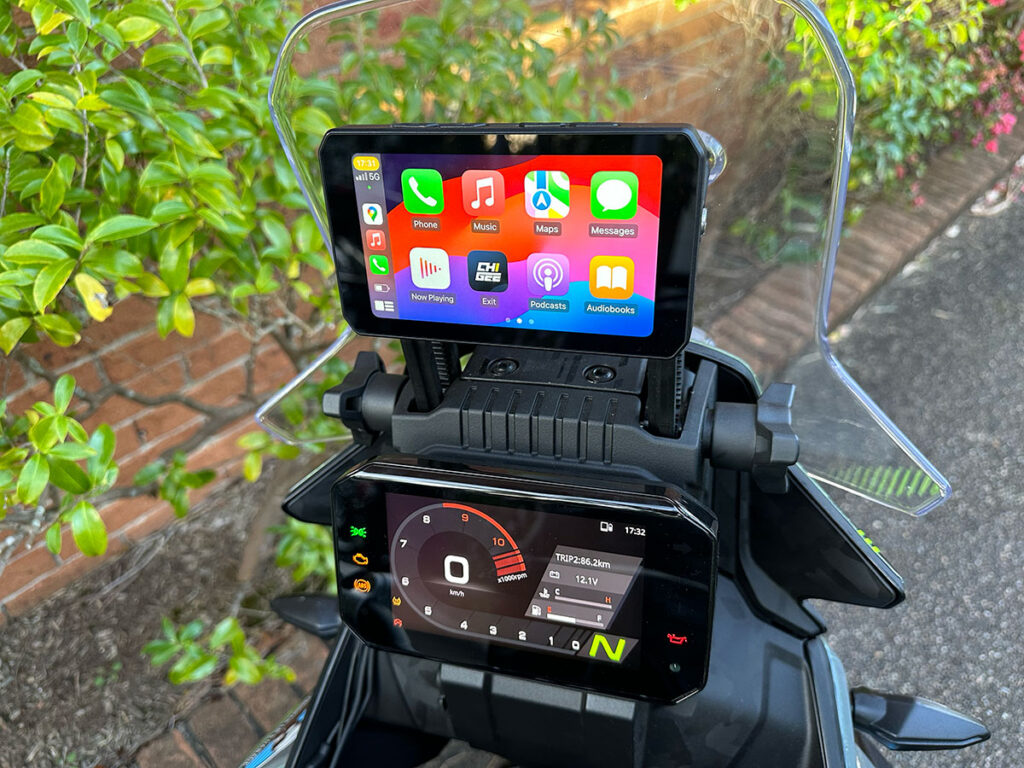
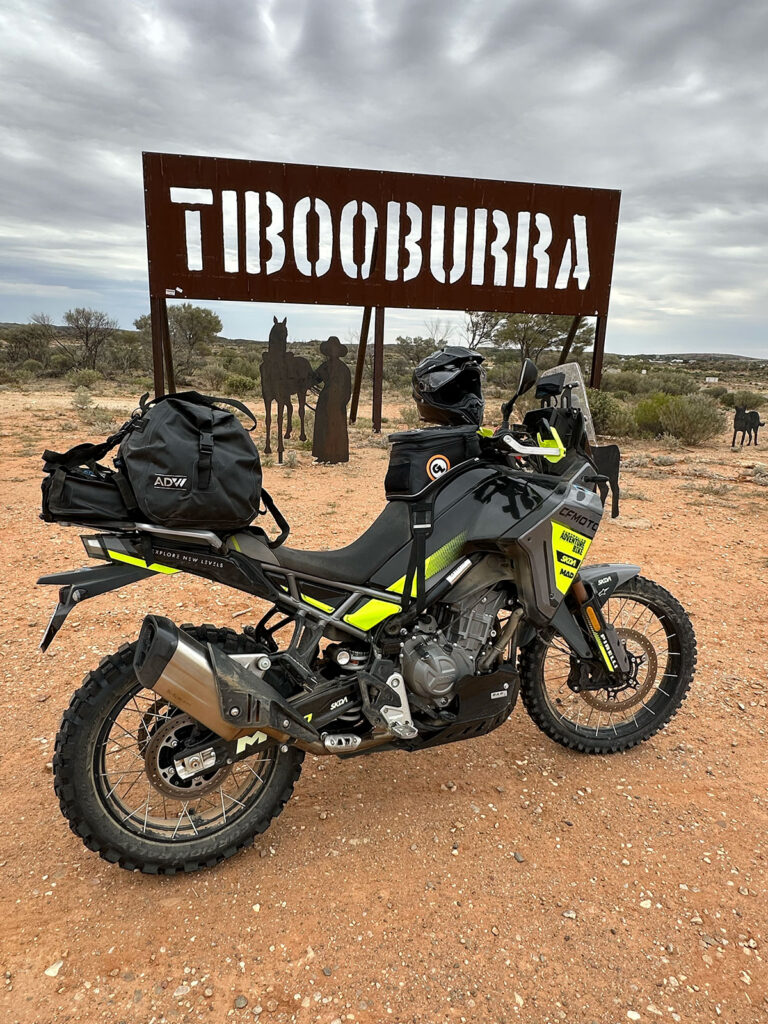
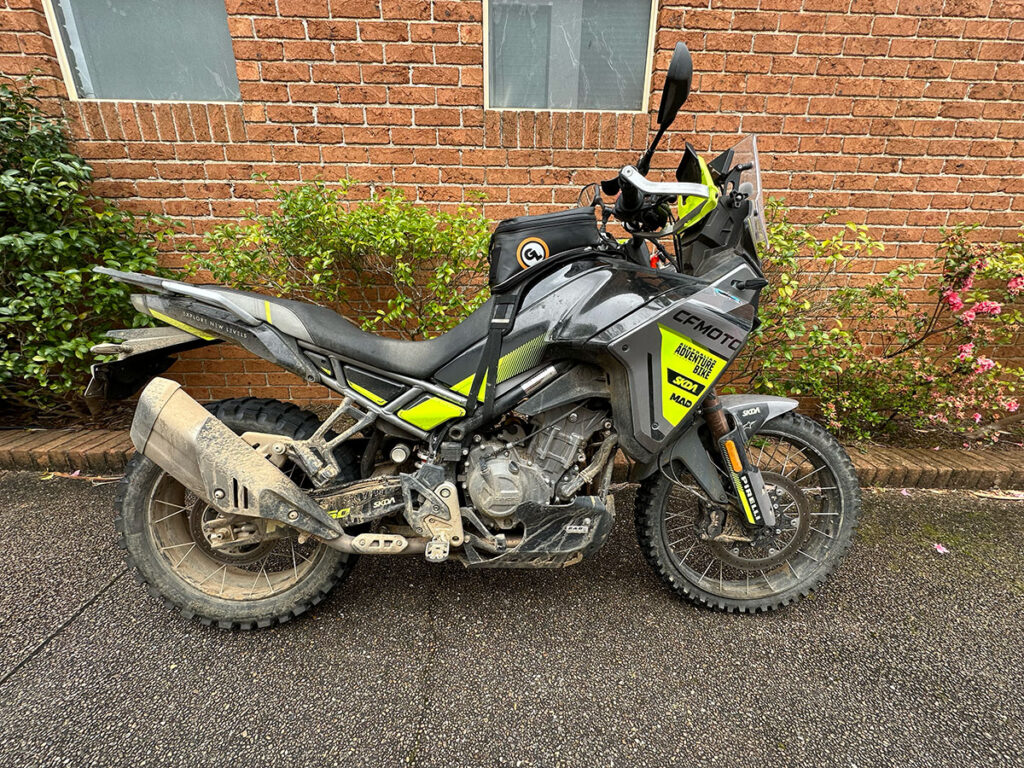
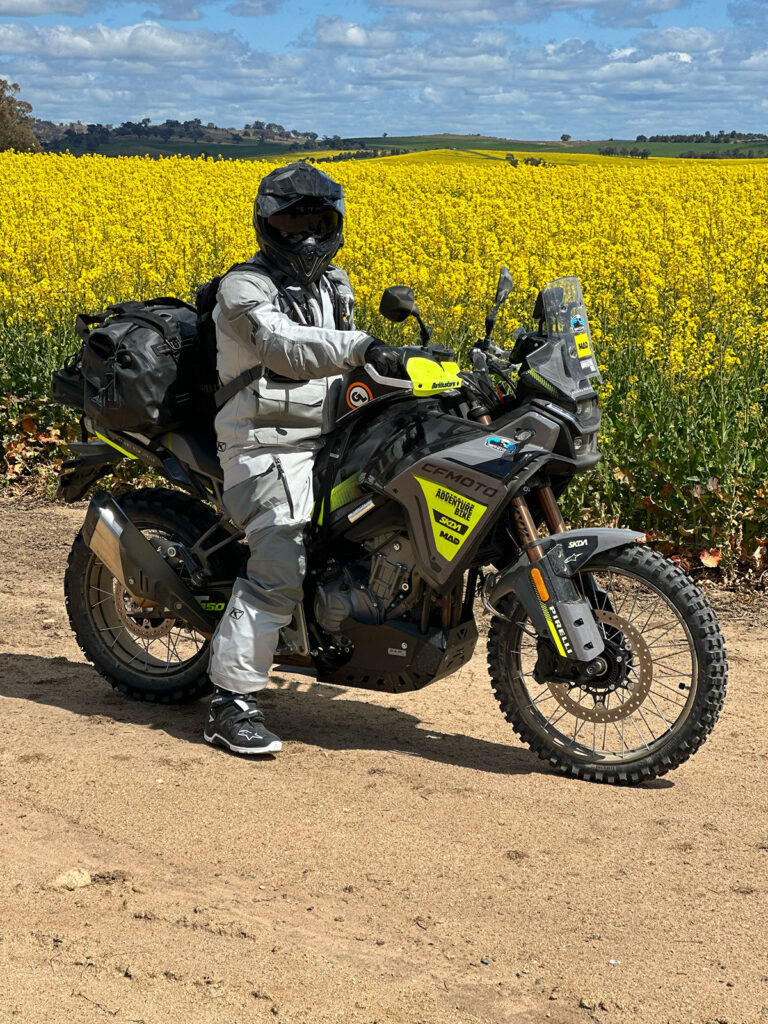
    Our CF Moto 450MT test bike was prepped fro an outback ride with a B&B bash plate, Barkbusters, Anarkee Wild knobby tyres and a Chigee AIO 5. Other than that the engine and suspension were dead standard. The core of the package is a 449cc parallel-twin engine, tubeless 21/18-inch spoked wheels, long-travel KYB suspension and a surprisingly comprehensive electronics package, including switchable ABS and the 450MT looks like it has been designed for proper adventure riding.

    What Does It Cost?

    One of the biggest attractions of the CFMOTO 450MT is its pricing. When the model was introduced to Australia, it carried a $9,990 ride-away recommended price after the initial $8,990 pre-order offer. The 2025 model represents excellent value in a category where adventure bikes can quickly become expensive.

    For the money, you’re getting a reasonably well-equipped motorcycle with quality suspension, Bosch electronics and a proper adventure-bike wheel combination. That makes the 450MT particularly appealing to riders who want to spend their money exploring rather than paying for an expensive badge.

    What Do You Get for Your Money?

    The 450MT is powered by CFMOTO’s 449cc, liquid-cooled, DOHC parallel-twin engine featuring a 270-degree crankshaft. It’s a configuration that gives the engine a distinctive character and a pleasant exhaust note. Power output is a claimed 32.5kW at 8500rpm, with 44Nm of torque arriving at 6250rpm. It’s backed by a six-speed gearbox and slipper clutch.

    The chassis package is where things get interesting for off-road riders. Suspension is handled by 41mm KYB upside-down forks and a KYB rear shock, both offering 200mm of travel. Both ends provide adjustment, allowing riders to tailor the suspension to their weight, riding style and terrain.

    The braking package features a 320mm front disc with a four-piston caliper and a 240mm rear disc. Bosch dual-channel ABS is fitted, with the ability to disengage the rear ABS for off-road riding. Bosch traction control can also be switched off.

    Other standard equipment includes:

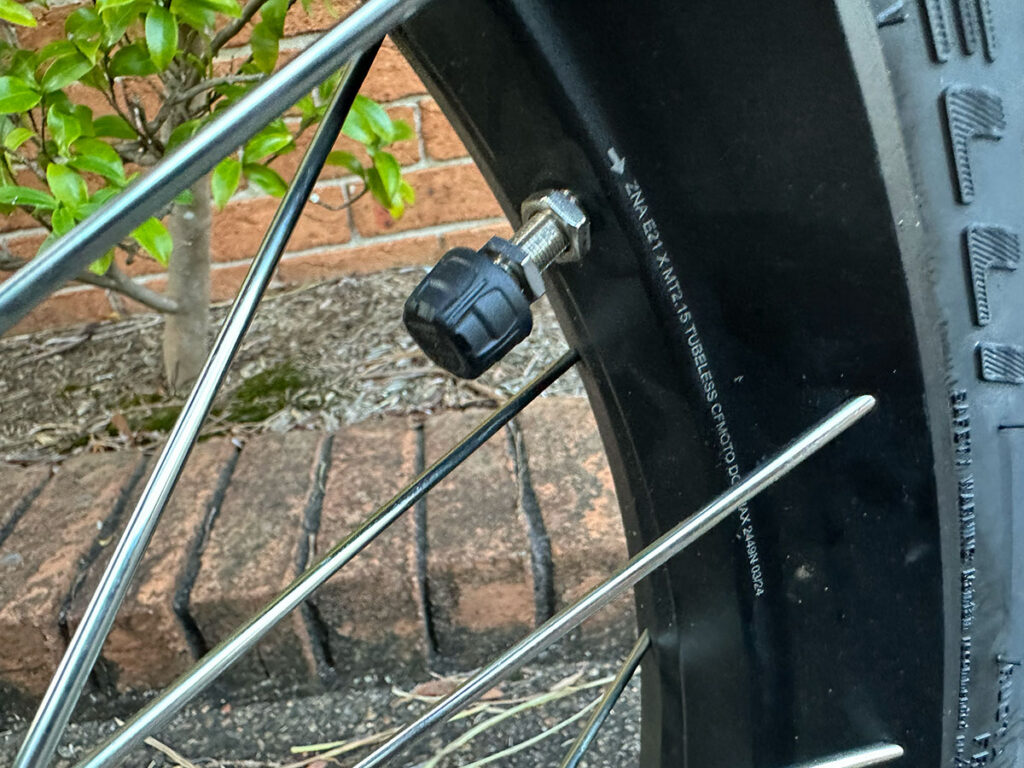
    – 21-inch front and 18-inch rear wire-spoked tubeless wheels.

    – CST adventure tyres.

    – Five-inch TFT colour instrument display.

    – LED lighting.

    – Adjustable windscreen.

    – 17.5-litre fuel tank.

    – 820mm seat height, with an optional lower 800mm position.

    – 220mm ground clearance.

    – Three-year factory warranty program, subject to its service conditions.

    Claimed dry weight is 175kg, which puts it in a competitive position for a middleweight adventure motorcycle.

    Who’s Buying It?

    First up are newer adventure riders looking for something manageable that doesn’t come with the intimidation factor of a large-capacity adventure machine. I’ve always struggled with my T7’s in more technical conditions despite fitting lowering links so to have less weight and a lower seat height. Those two properties had me at hello. 
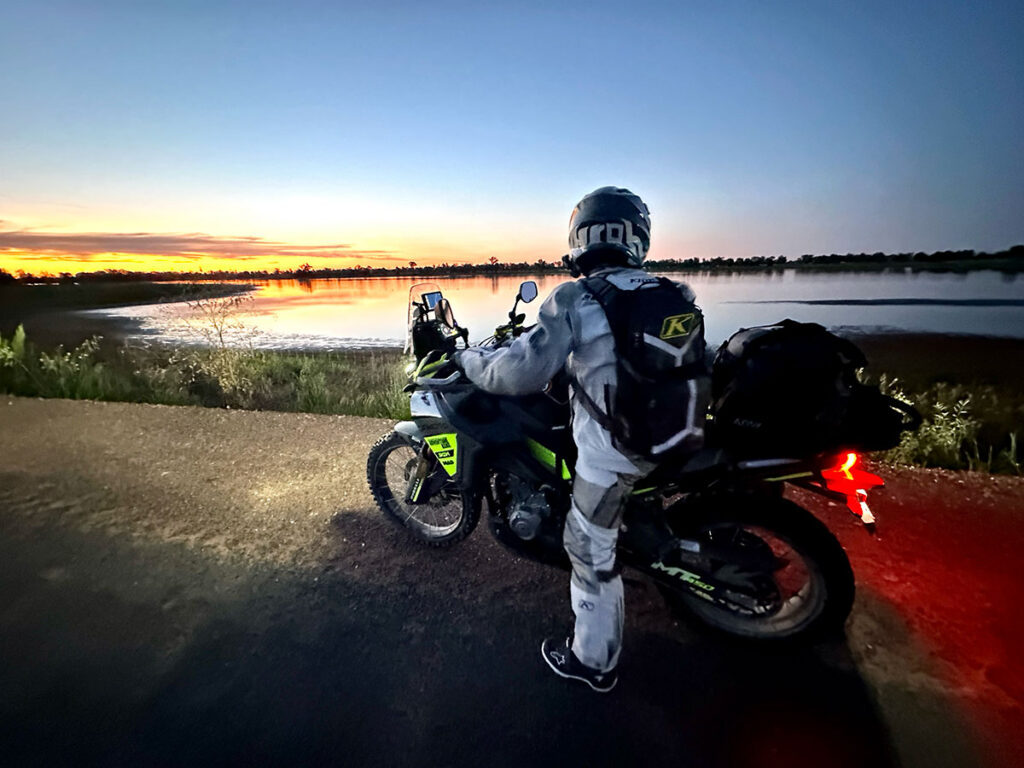
    For newer punters its LAMS-approved engine, approachable power delivery and relatively compact dimensions make it an attractive option for riders stepping into the adventure category. Despite its smaller capacity I had no problems keeping up with the other lads on T7s.

    So as an experienced adventure rider of a smaller stature I’ve always thought bigger isn’t necessarily better. Well for me anyway.

    Not everyone wants to wrestle a 250kg-plus motorcycle through a tight bush track, particularly when travelling solo. A lighter, more manageable machine with enough performance for highway work makes a lot of sense.

    I’d also suggest the 450MT will appeal to riders looking for a weekend escape machine. Something that can commute during the week, tackle a few hundred kilometres of back roads on Saturday and explore a forgotten forestry trail on Sunday.
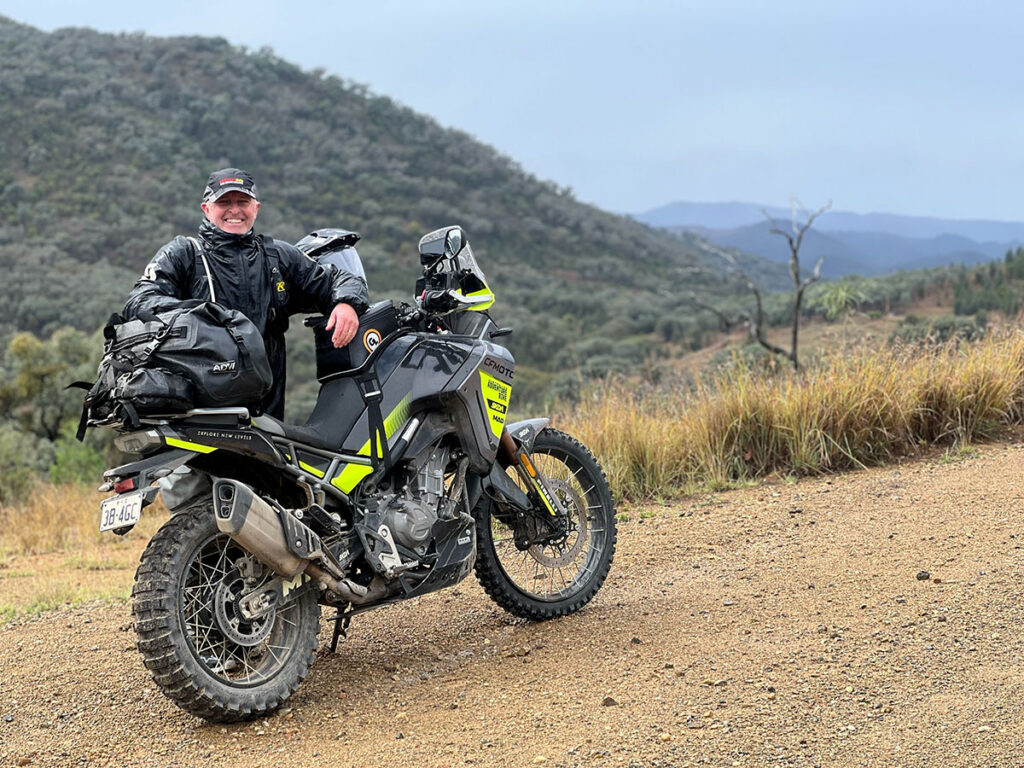
    Where Did We Ride It?

    As I mentioned this was a proper test. 3000 plus kilometres from the Sydney suburbs to remote outback towns. Dry and dusty to wet and rainy and when the moisture hits that red clay even the most aggressive knobbies won’t save you. 

    We rode across the centre of NSW to Broken Hill via Lake Cargelligo. From there to Tiboobura where we met up with Dakar legend Rodney Faggotter. Cameron Corner was a no go due to incoming weather so we headed up to Bulloo Downs to Thargominda running on vapours. East to Inglewood, St George, Murrurundie back to Sydney.

    What’s There to Like?

    The 449cc parallel twin engine is a real highlight. It delivers a useful spread of linear power without being intimidating, making it an easy engine to live with on a variety of terrain. The 270-degree crankshaft gives it plenty of character, while the 44Nm of torque provides enough grunt for general adventure riding and highway cruising. Bosch ABS and traction control are welcome additions, particularly for less experienced riders. Being able to disengage the rear ABS and traction control when heading off-road is equally important.

    Having KYB suspension at both ends is a big plus. With 200mm of travel and adjustment available, the 450MT offers a level of suspension equipment that would have been impressive on a considerably more expensive motorcycle. I’d suggest that little bit of tuning for individual riders’ weight and luggage configuration would help.
    The 21-inch front and 18-inch rear combination is exactly what adventure riders want to see. It gives the bike the geometry and wheel sizes required for proper off-road exploration rather than simply being a road bike wearing adventure clothing.

    Perhaps the biggest attraction is the overall package. CFMOTO has managed to deliver a motorcycle with a respectable specification without asking riders to spend a fortune. It’s difficult to ignore that proposition.

    What’s Not to Like?

    The first consideration is weight. At a claimed 175kg dry, it’s not a lightweight enduro motorcycle. Add fuel, accessories and luggage, and you’ll soon appreciate that it’s still an adventure bike when the going gets difficult.

    The stock rubber doesn’t cut it for this level of riding though for regular conditions they’re adequate. They’re a reasonable all-round compromise, but riders spending most of their time in mud, loose gravel or technical terrain may eventually want something more aggressive like the Michelin Anakee Wild tyres we fitted.

    The 449cc engine also has its limitations. While it’s perfectly suited to the motorcycle’s intended purpose, riders regularly travelling long distances at highway speeds, particularly with luggage and a passenger, may find themselves wanting more capacity. For highway use the 450MT is geared a little low so it’s no surprise we fitted a 14-tooth countershaft sprocket for those long outback stretches.

    Taller riders may find both the seat and adjustable screen a little low. This would explain why the OEM rally seat is popular. While the screen is adjustable it may not be high enough for a taller rider.

    Finally, CFMOTO is still building its long-term reputation in the Australian adventure market. The specification is impressive, but long-term ownership experience, parts availability and dealer support are important considerations when choosing any motorcycle.

    Verdict?

    The 2025 CFMOTO 450MT has a characterful parallel-twin engine, quality KYB suspension, proper adventure-bike wheel sizes and useful electronics. KTM‘s DNA is evident and it offers a package that should appeal to both newcomers and experienced adventure riders.

    CFMOTO has certainly shaken things up with this bike. It offers a genuine adventure motorcycle package at a price that puts pressure on some established manufacturers. If you’re looking for an affordable, well-equipped middleweight adventure motorcycle that offers genuine off-road potential, the CFMOTO 450MT deserves a serious look.So how much of an impression did the 450MT make? Well, some punters are calling it the Temu Ténéré and to be honest I sold my Ténéré T7 and bought a CF Moto 450MT. Let’s see if I made the right decision and what sort of a project bike we can create.

    2026 Kawasaki KLE500

    19/08/2026

    We Test the KLE500 in the Australia Outback and despite its low slung belly it performed surprisingly well in the rocky Aussie desert.

    2024 CF Moto 450MT

    05/09/2024

    We test the CF Moto 450MT for 3000+ kilometres across the Australian outback. With just a few protective accessories we attack the ride without an issue.

    2009 Honda Transalp

    13/07/2009

    Is Honda’s all-new Transalp just a back-roads adventure bike, or can it rekindle memories of the Africa Twin?

    2007 BMW F650GS Dakar

    17/11/2007

    Ask most people which brand comes to mind when you talk Adventure bikes and more often than not its BMW Dakar.

    2007 Kawasaki KLR650

    21/06/2007

    You get what you pay for but Kawasaki’s KLR650 provides one of the best entry-level adventure bikes.

  • 2009 Honda Transalp

    2009 Honda Transalp

    It may not be hard core but it will cross a desert and get you there in good shape.


    2009 Honda Transalp XL700V

    It’s a time where some bike engineers think that adventure bikes are just road bikes that can go off-road occasionally. Where as a dirt bike design caters for the fact that sooner or later it’ll get thrown down the road and be expected to get back up again.

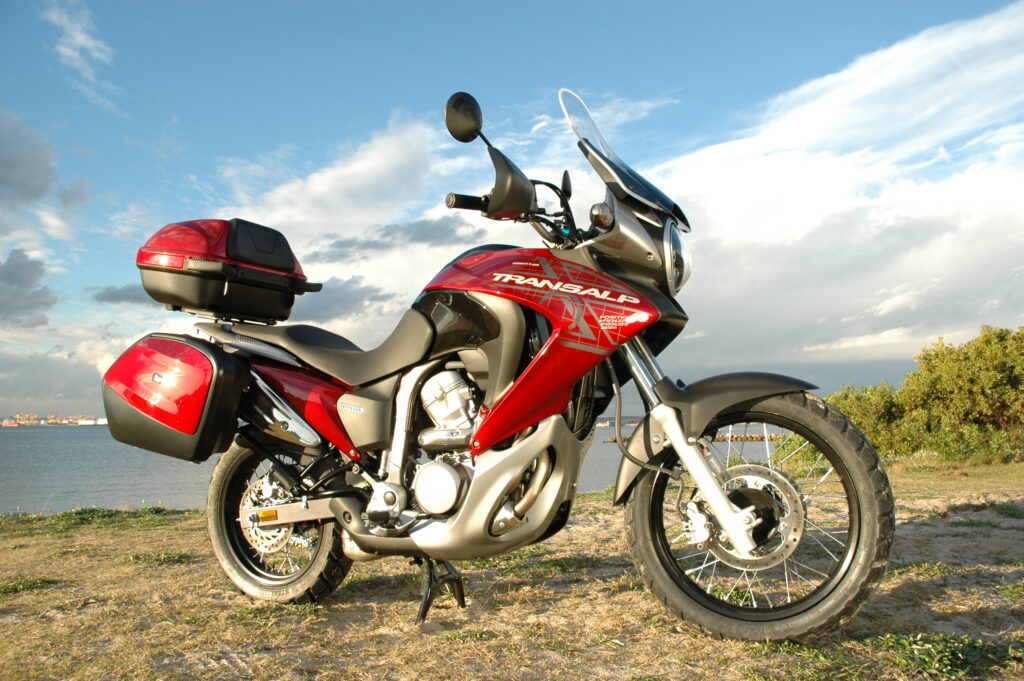
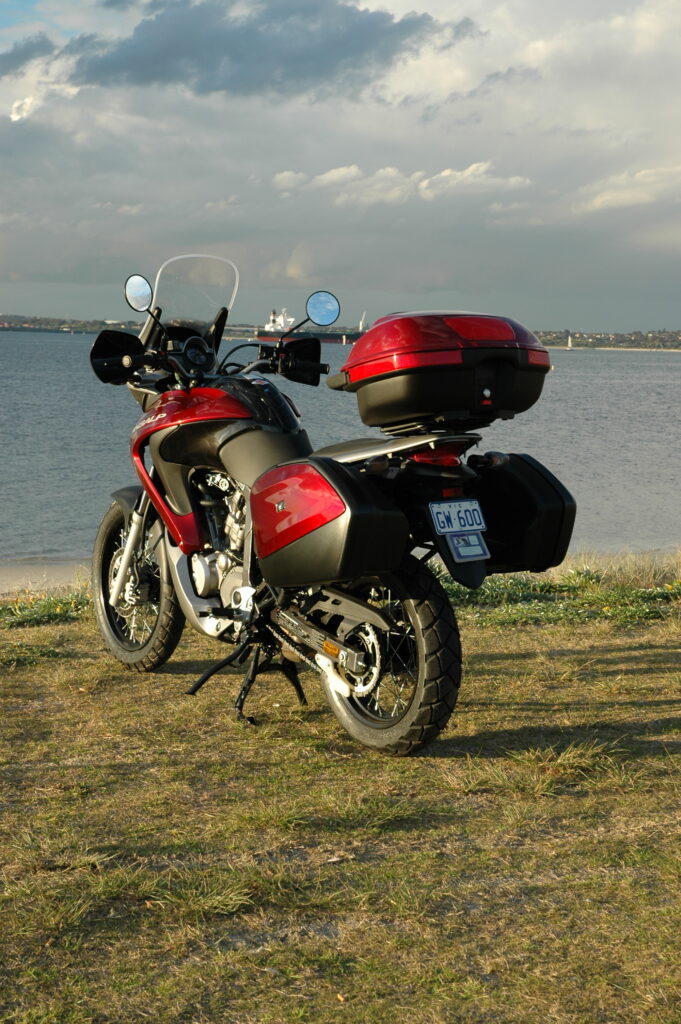
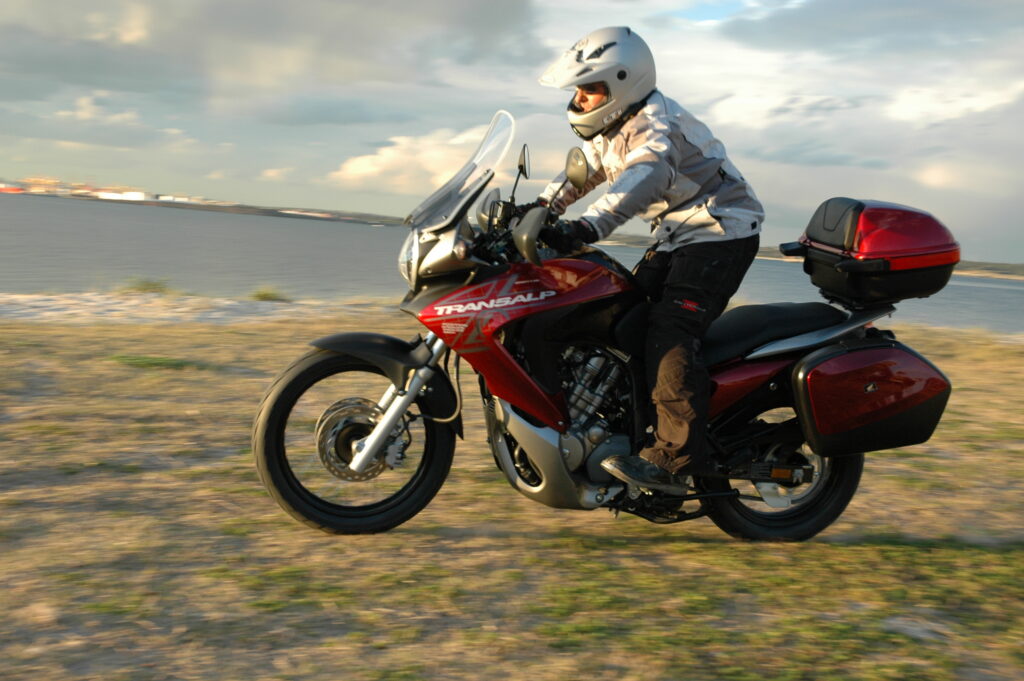
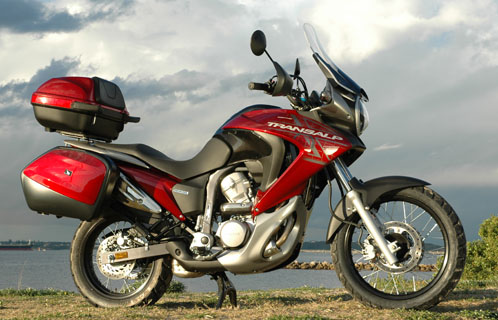
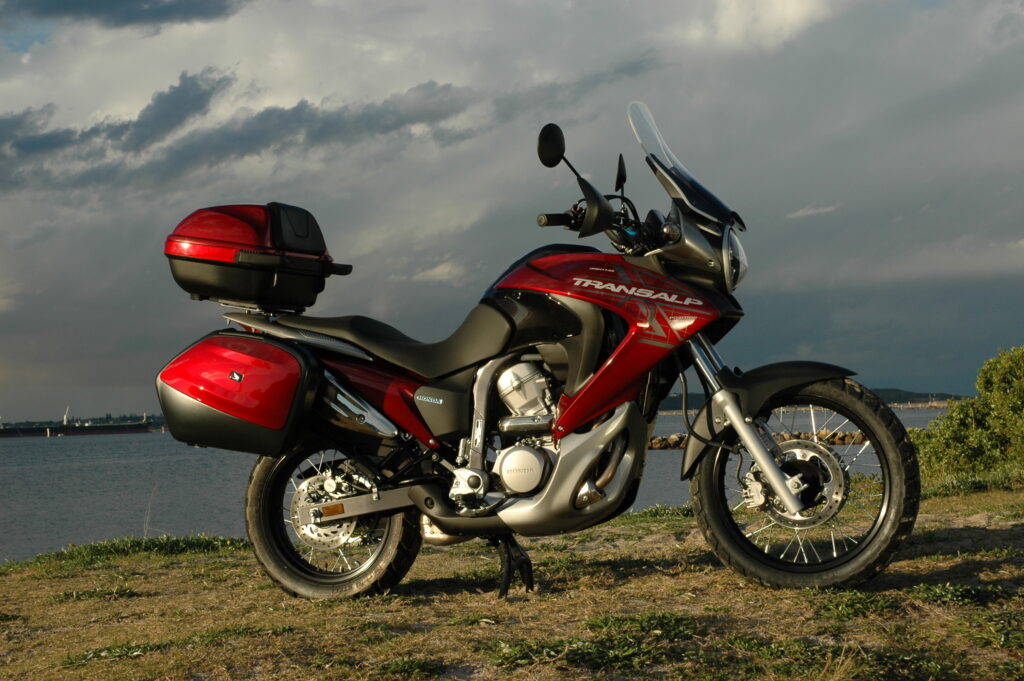
    The new Honda Translp has more plastic than a full fairing suburban scooter but regardless of its styling, Honda’s precise Japanese engineering lies underneath, the core of which is a very smooth, new, 680cc liquid-cooled 4-stroke 8-valve SOHC 52° V twin   engine and combined with improved ergonomics is a comfortable bike to ride over the long haul.

    Overall Score

    7.5

    680cc V-Twin

    59 hp

    218kg

    841mm

    Low seat height
    17 Litre fuel tank
    Good wind protection
    Smooth engine
    More road than off
    Too much plastic
    Rubber footpegs
    Small sidestand foot

    Verdict

    The 2009 Honda Transalp is designed to just eat up the miles and on long blacktop and groomed gravel roads it does it easy. However when things get technical expect to damage some plastic. We first did a cannonball run from Melbourne to Sydney to run it in for its first service. Down the track we rode to the Flinders Ranges after fitting some aftermarket bits. Comfortable to ride but too much plastic for my liking.

    Buying Secondhand

    17 years on the Transalp is rare on the secondhand market. You might find one hidden away in someone’s garage but you’re more than likely find them as parts at motorcycle wreckers. If you do find a well serviced example you’ll expect to pay between $3500 and $4500 AUD.


    Some where along the line Clubby got this idea in his head that I like riding lots of km’s at a time so when Honda offered Trail Zone the first test ride of the 2008 Transalp Clubby put up my hand straight away. Why my hand? Well to get the scoop I would have to fly to Melbourne to Hondas headquarters and ride the Transalp back to Sydney.

    Before I had a chance to think about it, I was standing in the queue at Qantas check in at 6.30am dressed ready to throw my leg over a bike from my motocross boots my new Rivet Monaro jacket I’d test on the trip. With people staring at me like I was the Stig I soon found out that you can’t take your helmet on the plane and you’ve got buckley’s getting through security’s metal detector without attracting attention. I’m sure Clubby was curled up in bed chuckling to himself while hitting the snooze button.

    What Do You Get For The Money?

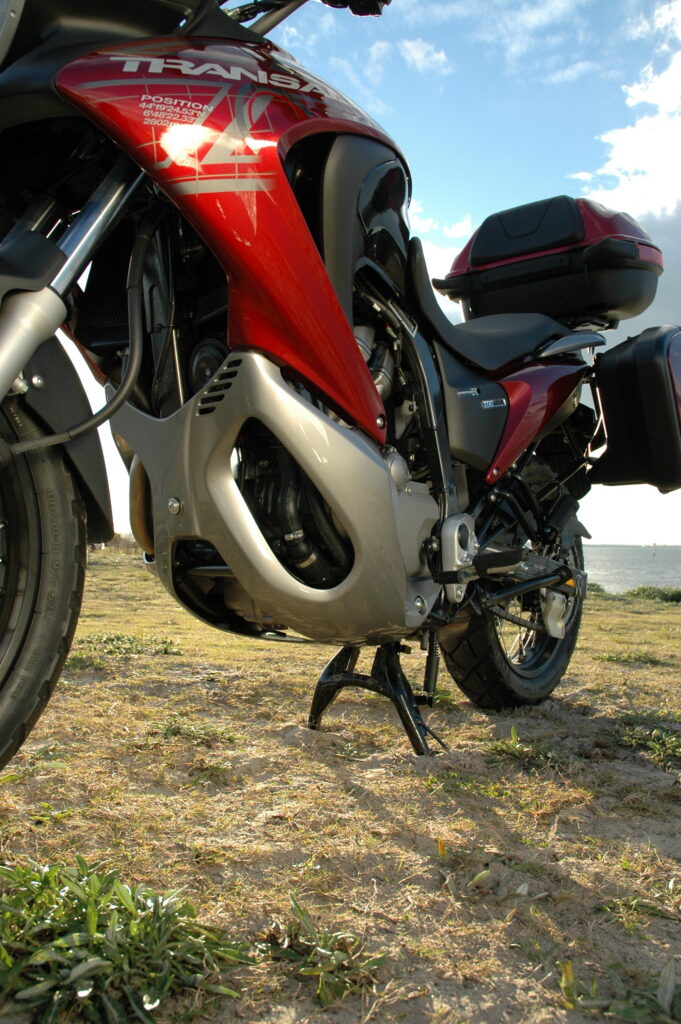
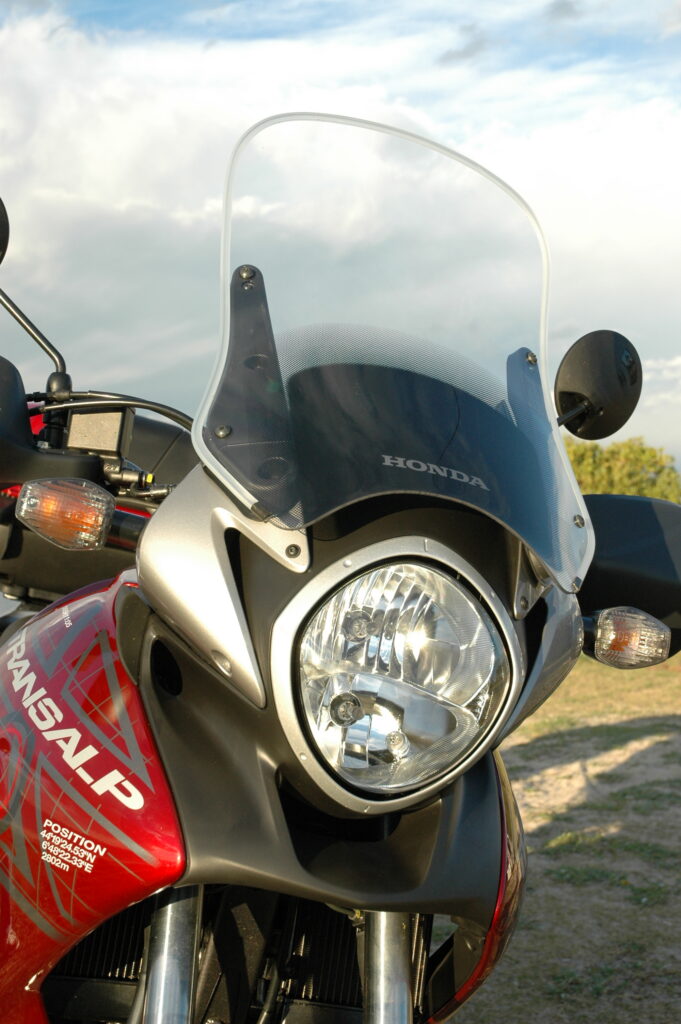
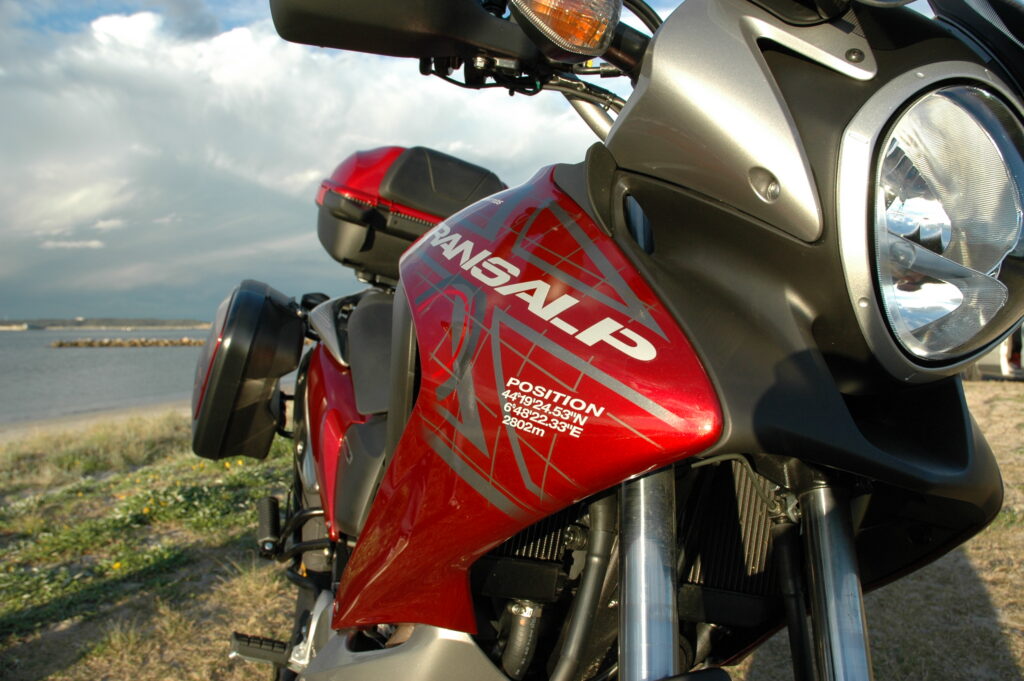
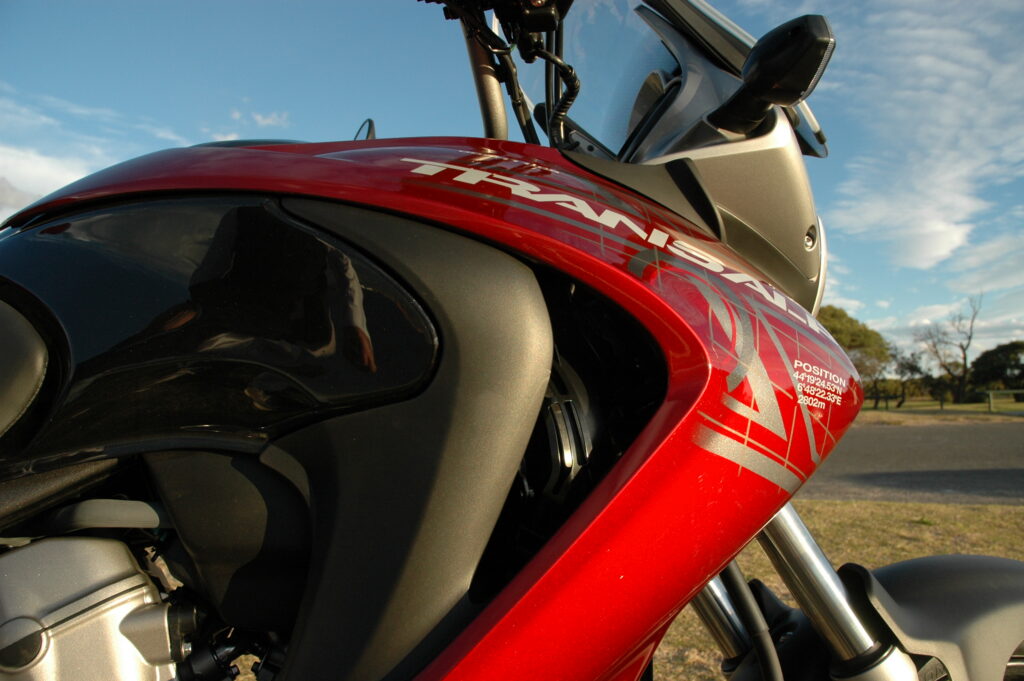
    It seems that American tastes have a lot to do with what the rest of us get in other markets around the world and at first glance you’d think that the Honda designer worked at Harley Davidson at some time and still yearns for the sound of water pumps with two wheels. This can’t be true as a clue to it’s European focus is on the graphics. On the tank are GPS co-ordinates for the Merchantour National Park in the French Alps. At 2,802M it must be quite a climb and is the sort of mountain roads you see in the Tour de France mountain stages. Regardless of its styling, Honda’s precise Japanese engineering lies underneath, the core of which is a very smooth, new, 680cc liquid-cooled 4-stroke 8-valve SOHC 52° V twin   engine and combined with improved ergonomics is a comfortable bike to ride over the long haul.

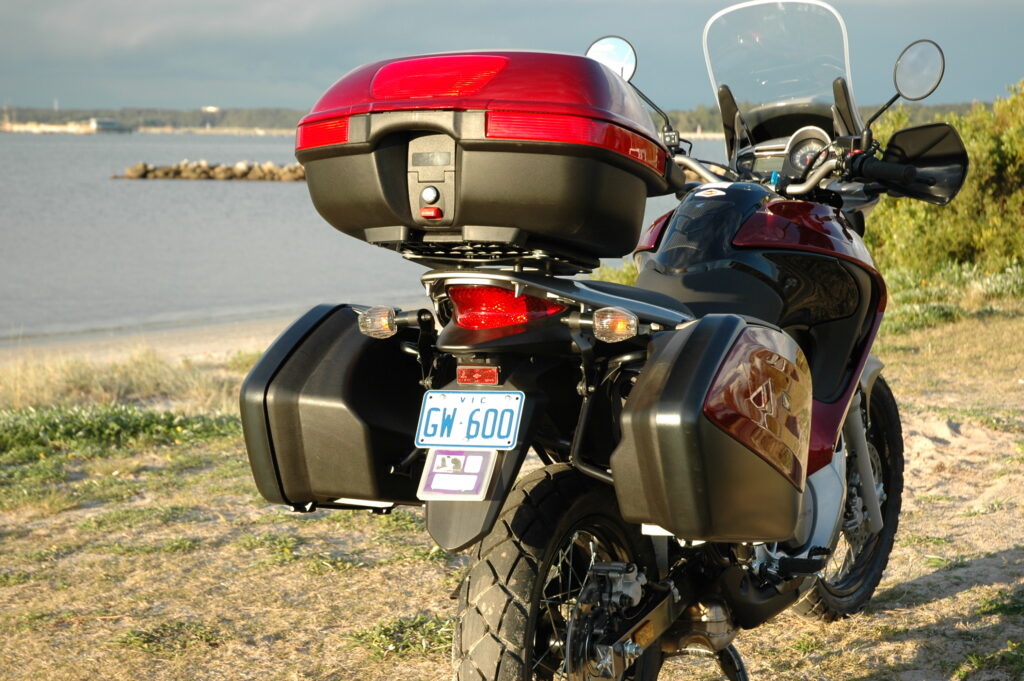
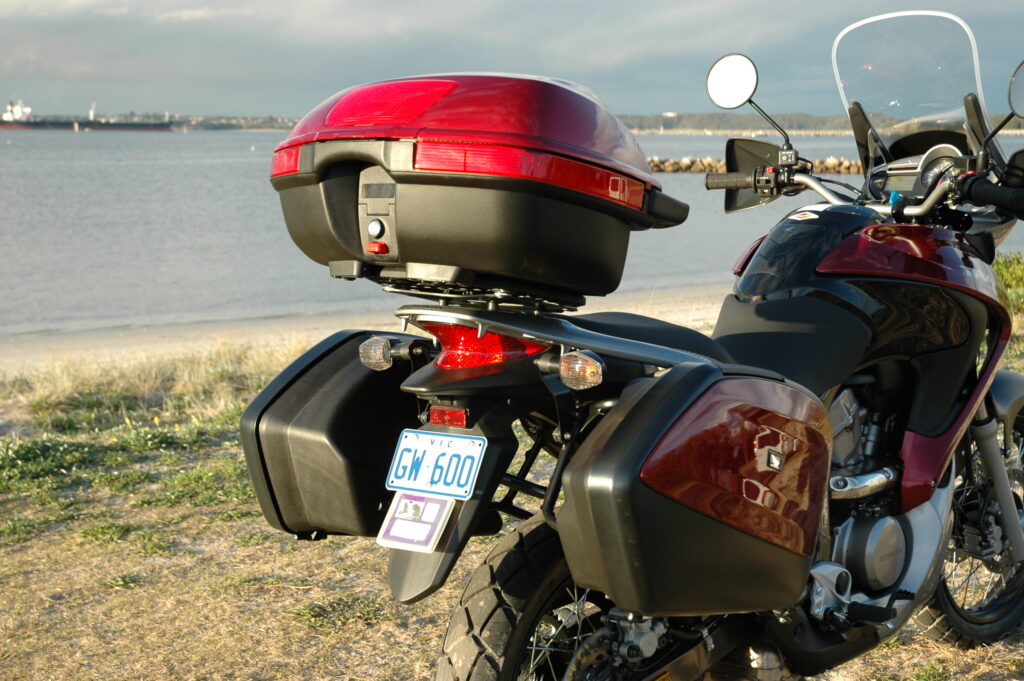
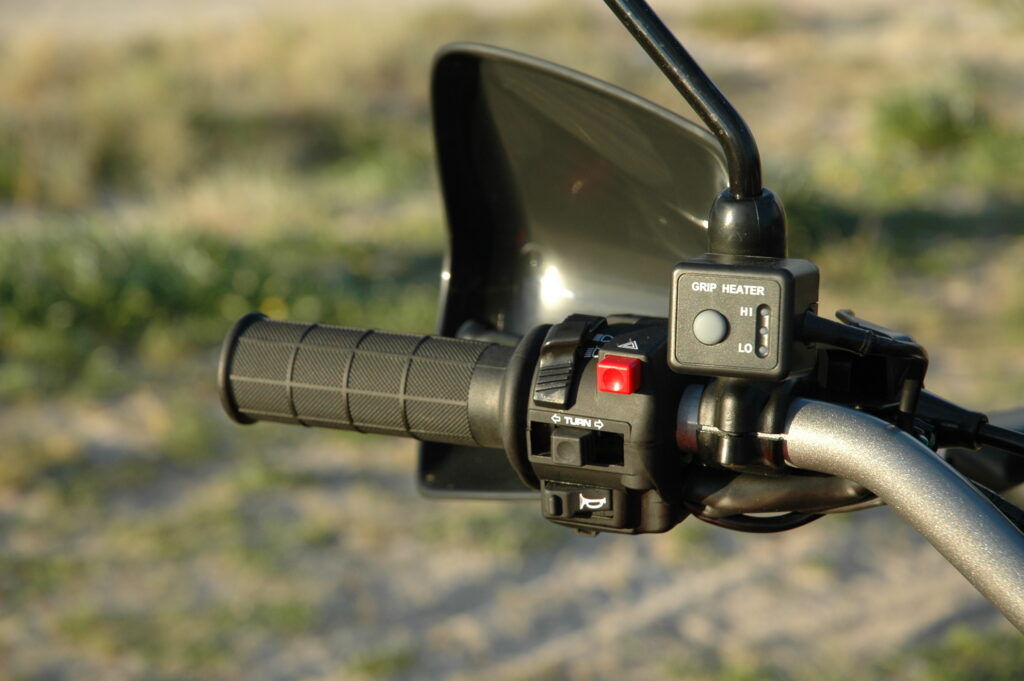
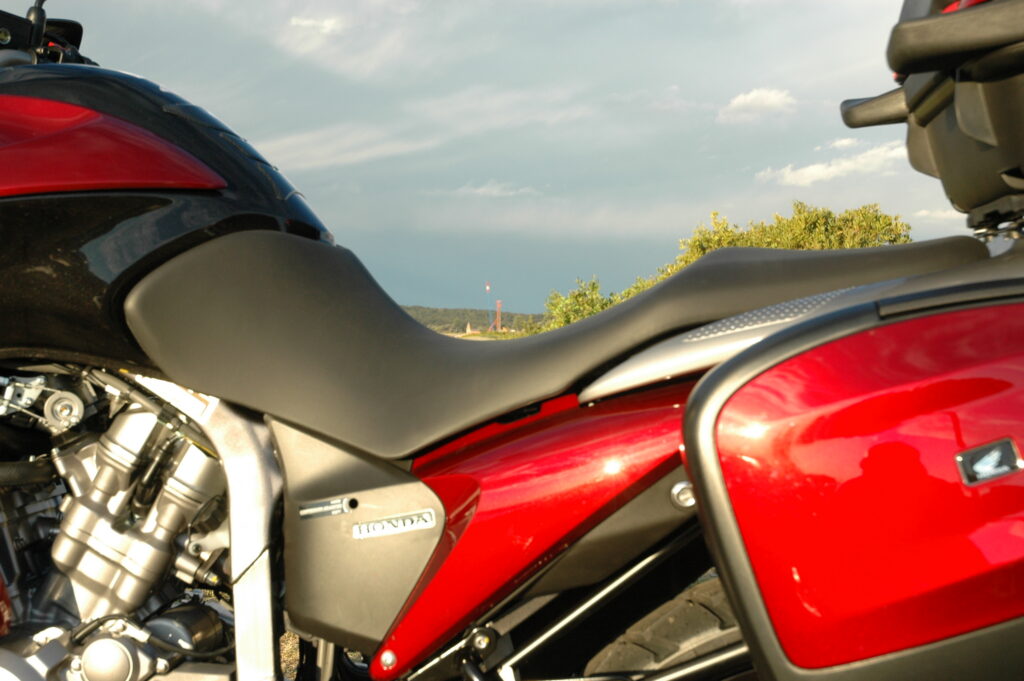
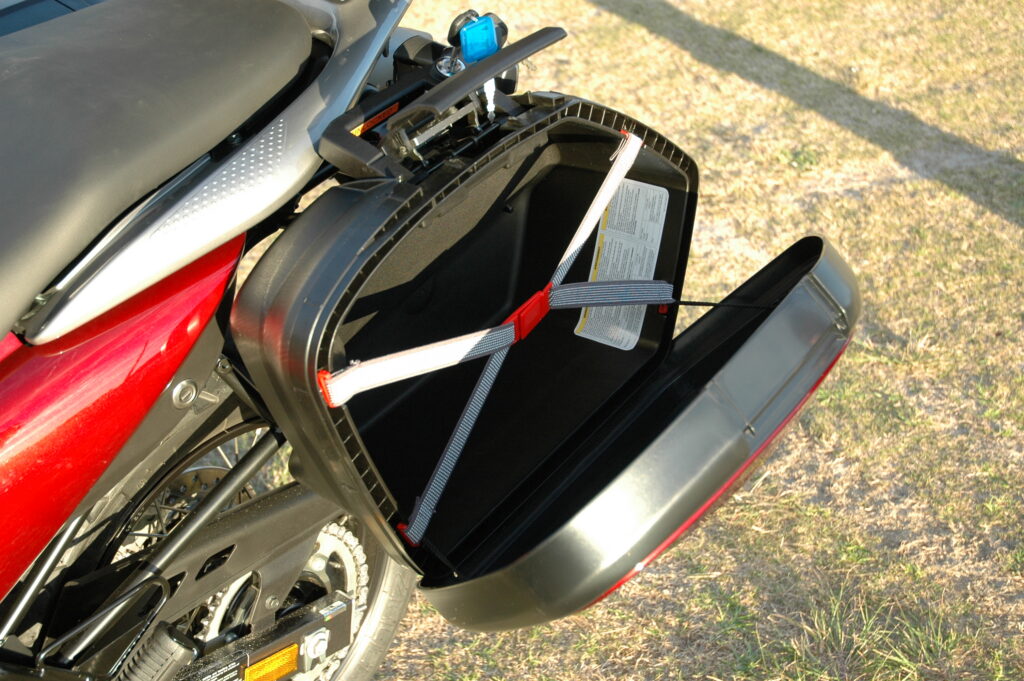
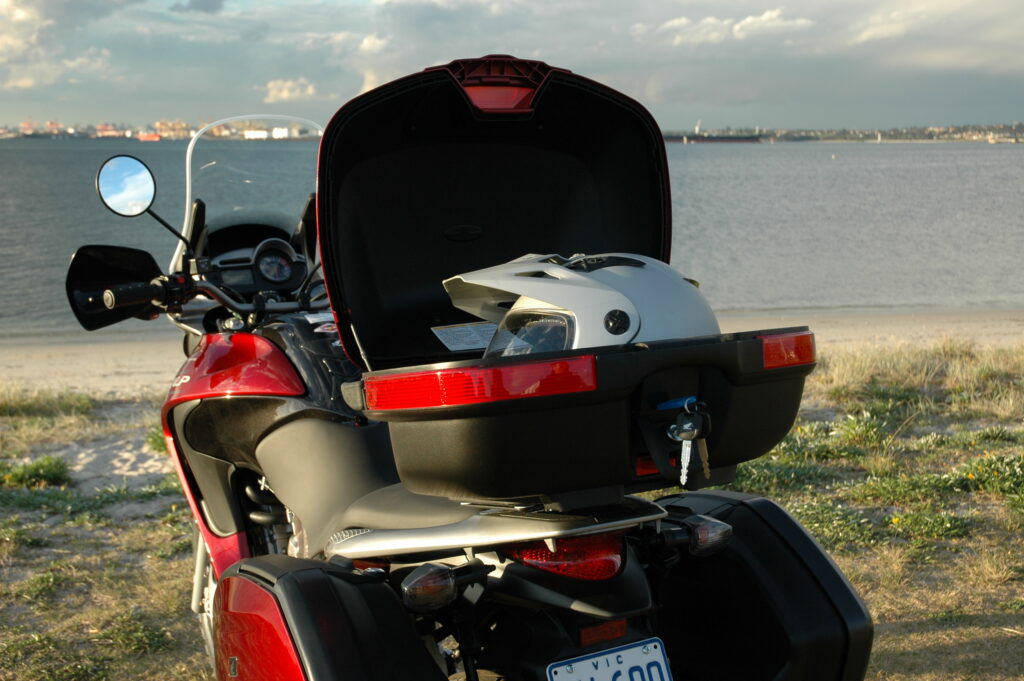
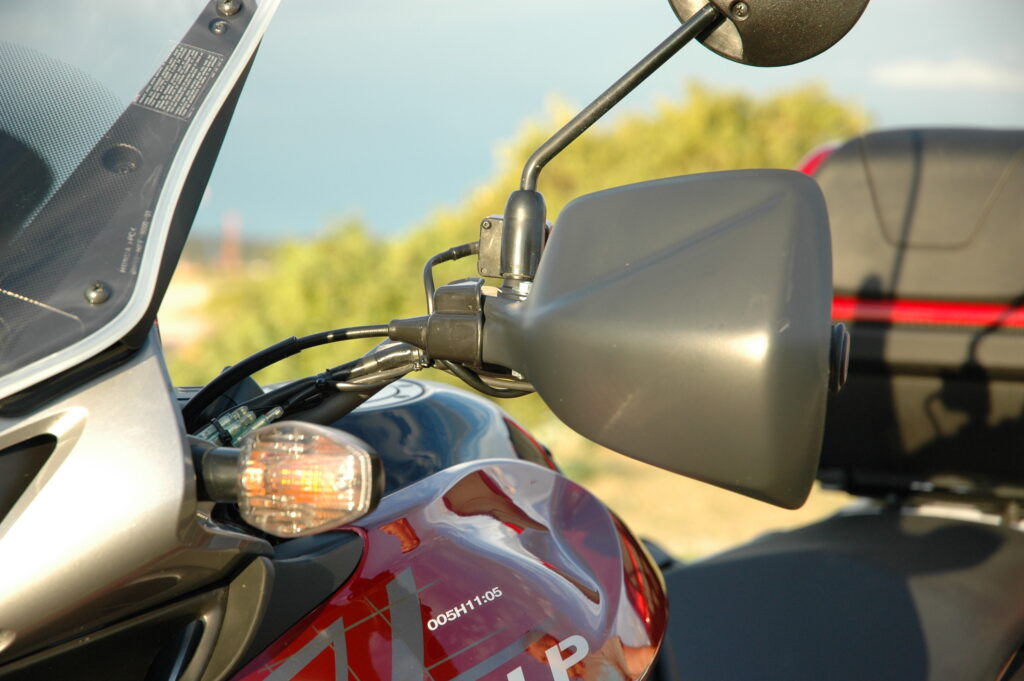
    Before I get bogged down in specifications Honda Australia had taken the liberty to configure our test bike as a tourer using many of the standard Honda accessories made specifically for the Transalp. These included, taller windscreen, centre stand, 45L top box and panniers and an accessory plug for GPS power or charging other devices such as mobile phones. Plus my favourites heated grips and a low seat. At first glance I through I’d look like a Ulysses Club member on a wanna be Goldwing but being from Cronulla I need to be more accepting.

    So if you want to by a soft adventure bike off the showroom floor Honda has pretty much got you covered. As mentioned the motor is smooth and lacks the hand numbing vibration of its single cylinder counterparts. It pulls nicely from low revs and has a nice note from an updated exhaust system even through it sometimes had a whistle like a diesel locomotive when you opened it up from low revs. It lacks any punch anywhere through the rev range but it cruises effortlessly on the open road and will do it all day. The engine is complimented with a five speed gear box however it could do with a sixth gear. I found myself repeatly looking for another cog.

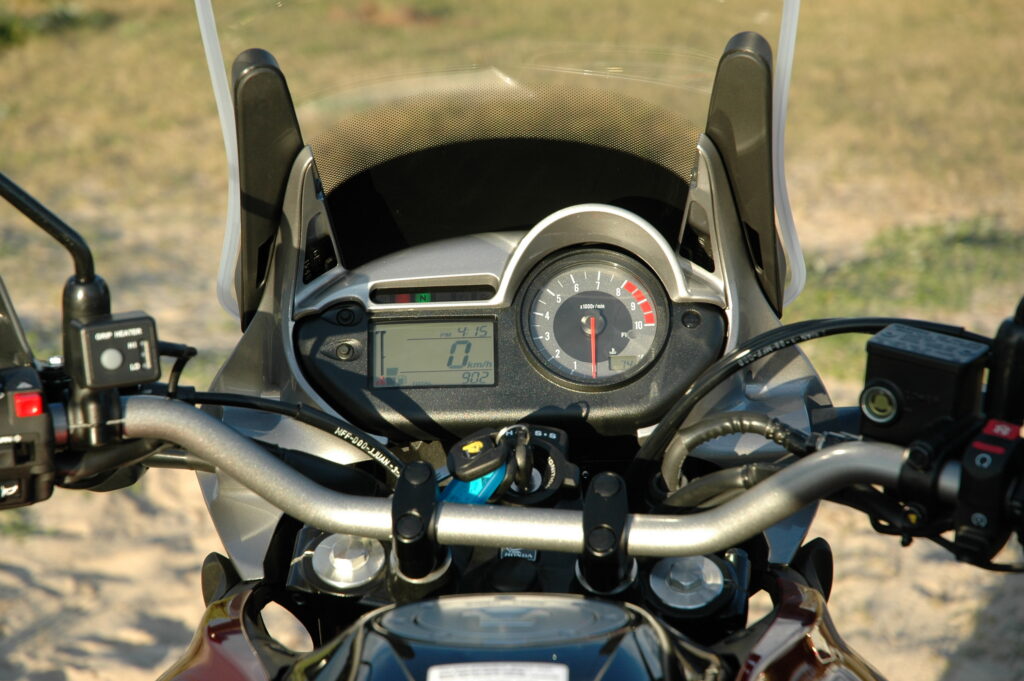
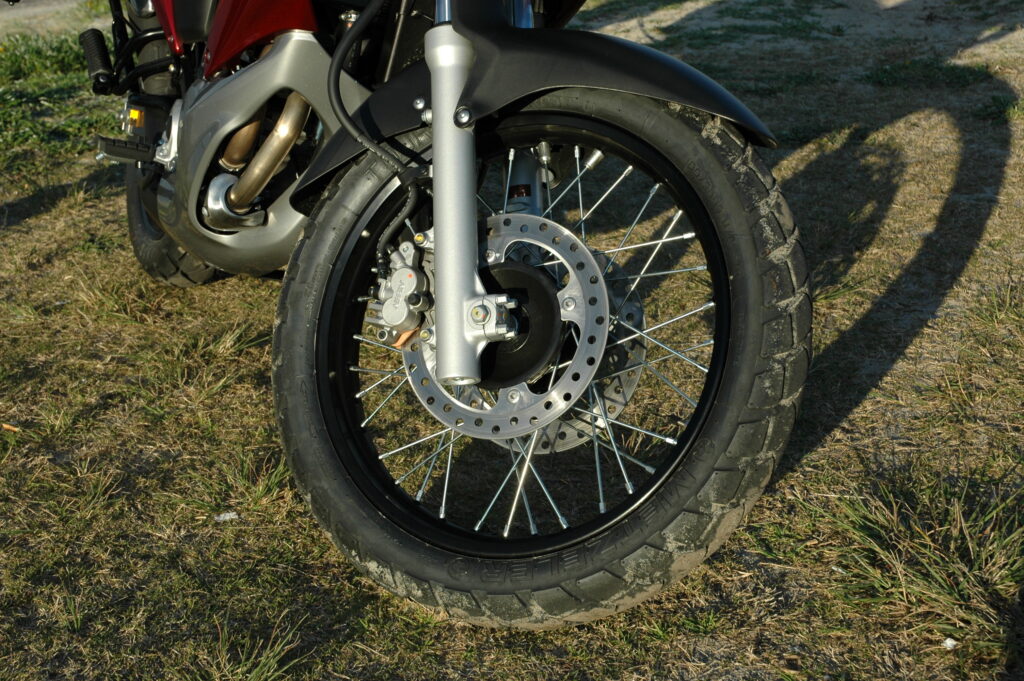
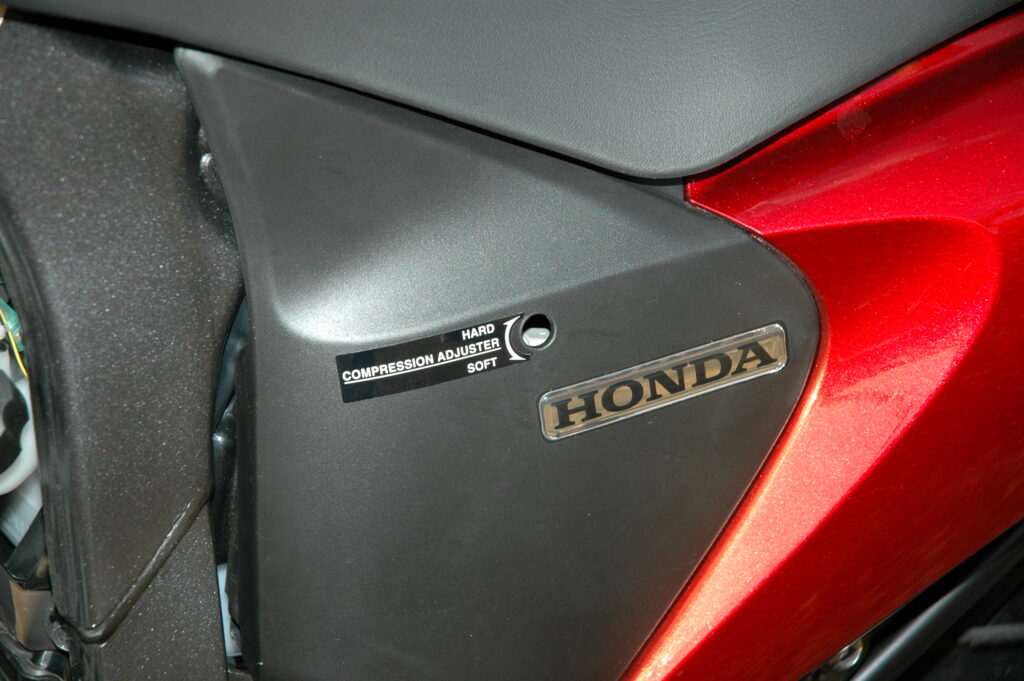
    In a move that will upset off-road riders Honda has gone to a 19 inch front wheel from a 21 inch steering it more to roadier set up. Both the 19″ front and 17″ rear rims are fitted with Metzler Tourance rubber which does an OK job on the gravel and kills it on the road. I was pleased to see that Honda have stayed with spoke rims and not solid units like BMW are pushing with there R1200 GS. Up front are your garden variety 41 mm leading-axle telescopic forks with 177 mm of travel. As for the rear it’s a Pro-Link setup with 173 mm travel and adjustable compression damping which is accessible through a small hole in the left side cover below the seat. The dry weight of the bike is 218kg and as a result the Transalp is fitted with dual 256 x 4 mm hydraulic disc with dual-piston, with three-piston calipers and 240 x 6 mm hydraulic disc with single-piston calipers and resin mould pads. Finally the fuel capacity has been reduced from 19 to 17.5 litres. I mean, even though the rationale is that with improved fuel economy it still has the same range but a little extra range makes sense to me. The tank has a 3 litre reserve and when you reach it the digital fuel gauge flashes up and down like the skies about to fall. Very distracting but it gets your attention and within the cluster is the digital speedo which I liked along with the clock (don’t forget school zones) and trip metres. Fuel economy on my ride averaged around 5L/100kms giving the Transalp approximately a 350km range including 60 kms of reserve. The seat height is 841mm but the low seat option takes another 20mm off that. The seat is also designed to share the love and is much wider for the pillion passenger. The Top Box also has a backrest and arm rests are optional.

    What’s It Cost?

    The new Transalp comes in at $12,990 plus on road costs. That compare that with the BMW F 650 GS at $13,650, Suzuki  DL650 V-Strom at $9,990 and the Kawasaki KLR650 ($7,990)

    Who’s Buying It?

    Like the V Strom it’s perfect for road riders dipping their toe into the adventure bike pond. The good thing about the Transalp is that in general ride impression it falls between the KLR650 and the V-Strom. In other words the ergos smack bang between a dirt bike feel of a KLR and the road bike riding position of a V Strom.

    Where Did We Ride It?

    We rode the Transalp straight out of the crate from Melbourne to Sydney starting with only 15 kms on the clock over a variety of roads (mostly road unfortunately). I did the trip in one hit so it was a good chance to see how comfortable the Transalp is on the long haul and it passed with flying colours. Gotta love the heated grips.

    What’s To Like?

    Did I mention the heated grips? Honda fitted our Transalp with some touring essentials. Taller windscreen, accessory plug (hidden under the seat), top box and panniers plus the low seat for those like me with shorter legs and Hondas own brand of heated grips, (did I mention them?). Without those the Transalp is still an adequate package. Starting at the front a small fairing still deflects a bit of wind but what I particularly liked on my 11 hour highway adventure riding into the dark was the impressive front headlight. Unfortunately the Cyclops styling is a big target for a rock when riding off-road with others.

    The engine is smooth as Popguns latex one piece and the gearbox shifts nicely. The exhaust has a nice note but looks like it’s fat that can be lost and replaced with an alloy unit. Handling presented no surprises but I like to do a bit more off-road riding before I pass final judgement. The bike comes with a substantial carryrack which you could bolt an expresso machine to. (Had to get that one in before Popgun did). Overall, a great tourer.

    What’s Not To Like?

    The Transalp is definitely at the softer end of the adventure bike market and there are many Africa Twin devotees sobbing quietly into their beers with each new model. There’s way too much plastic moulding for a start plus all the mud and dirt hoarding, bolt on, polished metal styling covers like the ones on the exhaust system. Buckets of dirt could reside under there for years. The most useless piece of plastic is what you would think is supposed to be the engine bash plate. Putting style before common sense the bottom of the engine is completely exposed to rocks thrown up from the front wheel. The cockpit is not as cramped as the 2007 model but in the standing position, even for me, the bars felt a tad low. The side stand foot is way too small and the rubber pegs have to go.

    The Final Word?

    Perhaps I’ve been little harsh but the Transalp is basically a great bike with solid engineering that will go the distance. Despite the fact that it looks like it’s been designed by the work experience kid who’s got a fetish for plastic moulding, I believe there’s some great potential. That’s why we are taking on the Transalp as our next Off Road Explorer/Trail Zone Project Bike and if there’s an Africa Twin under there, we’ll find it.

    Price: $12,990

  • 2007 BMW F650GS Dakar

    2007 BMW F650GS Dakar


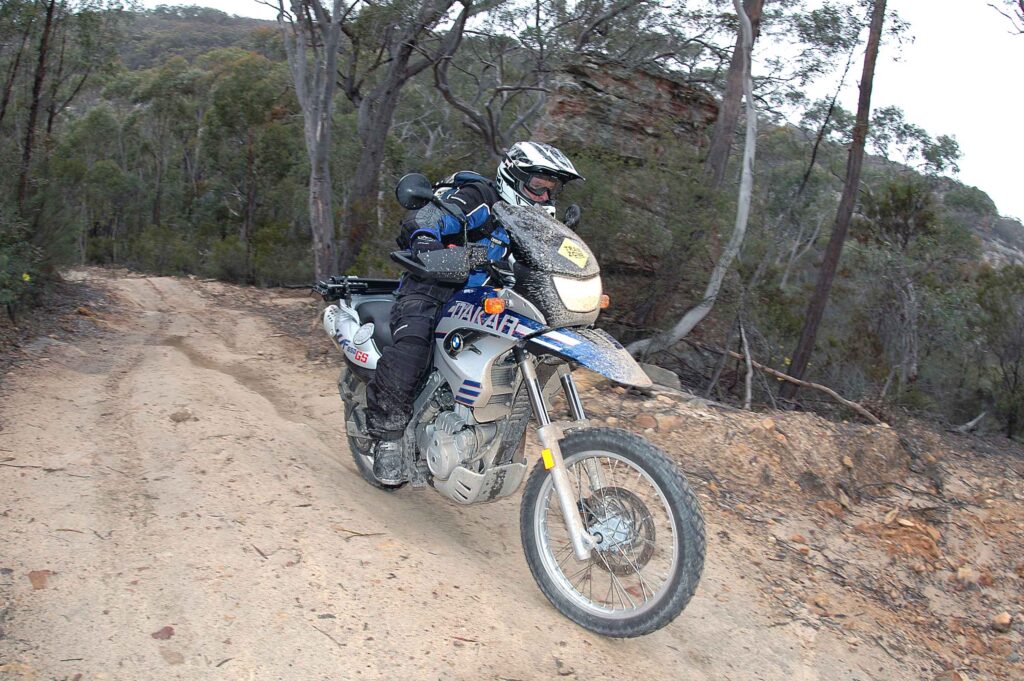
    2007 BMW F650 Dakar

    Launched in 1993, the single-cylinder machine 650 opened up a new market for BMW. The F 650 proudly displayed the white-and-blue logo of the brand and it lived up to all BMW’s quality standards. Making the BMW brand accessable to a wider market translated into sales success.

    The Funduro was as far as you could get from a serious, competitive off-road motorcycle but in 1998 after much development four BMW works riders from entered the 1999 Paris Dakar Rally starting from Granada. After 9,022 kilometres, Richard Sainct, won riding the rally version of the BMW F 650.

    Overall Score

    7.0

    652cc single Cylinder

    50 hp

    176kg

    870mm

    Heated grips
    Underseat fuel tank
    Very comfortable seat
    Heavy steel frame
    Road orientated ABS

    Verdict

    If you have a a tight budget, looking to do some off road long distance touring, and a secret desire to own a ‘Beemer’ then the Dakar is probably your best option. Funnily enough, on my way back down the mountains on our return to Sydney I spotted only two other adventure bikes travelling in the opposite direction, which were none other than a F 650 GS and a Dakar. If you have the budget, and you’re looking for an all rounder the F 650 GS Dakar will definitely do the job.

    Buying Secondhand

    Expect to find, if you’re lucky, a Dakar in the $6 – $7K price range. They are few and far between and the only reason you would spend that much money is a desperate need to own a BMW and it comes with genuine BMW accessories. Beware of plastic BMW luggage boxes. One fall and cracked mounts will fine you throwing them in the bin.


    It seems appropriate that the first Adventure Bike test I get to do is the BMW F 650 GS Dakar. After all the name Dakar is associated with what’s probably the worlds most gruelling off road race so to carry that name is a lot to live up to.

    The original concept for the 650 was developed under the guidance of BMW, through a joint venture with Italian motorcycle manufacturer Aprilia and Austrian engine supplier Bombardier-Rotax to create the BMW F 650 Funduro.

    Launched in 1993, the new single-cylinder machine opened up a new market for BMW. The F 650 proudly displayed the white-and-blue logo of the brand and it lived up to all BMW’s quality standards. Making the BMW brand accessable to a wider market translated into sales success.

    The Funduro was as far as you could get from a serious, competitive off-road motorcycle but in 1998 after much development four BMW works riders from entered the 1999 Paris Dakar Rally starting from Granada. After 9,022 kilometres, Richard Sainct, won riding the rally version of the BMW F 650.

    This along with victories in 2000 was the perfect opportunity to the launch of the new F 650 GS. The new model retained the its on-road riding qualities but with its off road capabilities very much improved. So as you can see carrying the Dakar name is justified.

    What Is It?

    Regardless of its racing heritage the FS650 GS is still very much a middle of the road consumer motorcycle. It is an excellent option for those looking for a bike that will feel right at home in city commuting to off road travel with creature comforts that BMW are famous for.

    What Does It Cost?

    The F 650 GS Dakar retails at $14,250 which puts it at the upper end of the market and is only challenged price wise by the Triumph Tiger ($15,990) and the KTM 640 Adventurer ($14,395) which to ride are completely different motorcycles. Next is the big XL650V Honda at $12,990 with a big drop to the Kawasaki KLR650 at $7,990 and the Suzuki DR650SE at $7,690.

    What Do You Get For Your Money?

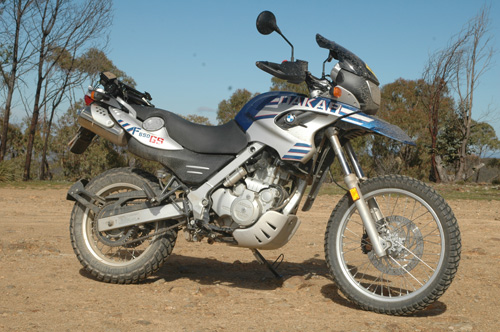
    When you look at the specs there are a few subtle differences between the F 650 GS and the F 650 GS Dakar. The bikes are clearly set apart by the Dakars graphics and the 21″ front wheel and with a 17″ rear wheel with the overall wheelbase to 1.489mm. The seat height is 870mm which for my 167cm frame was managable.

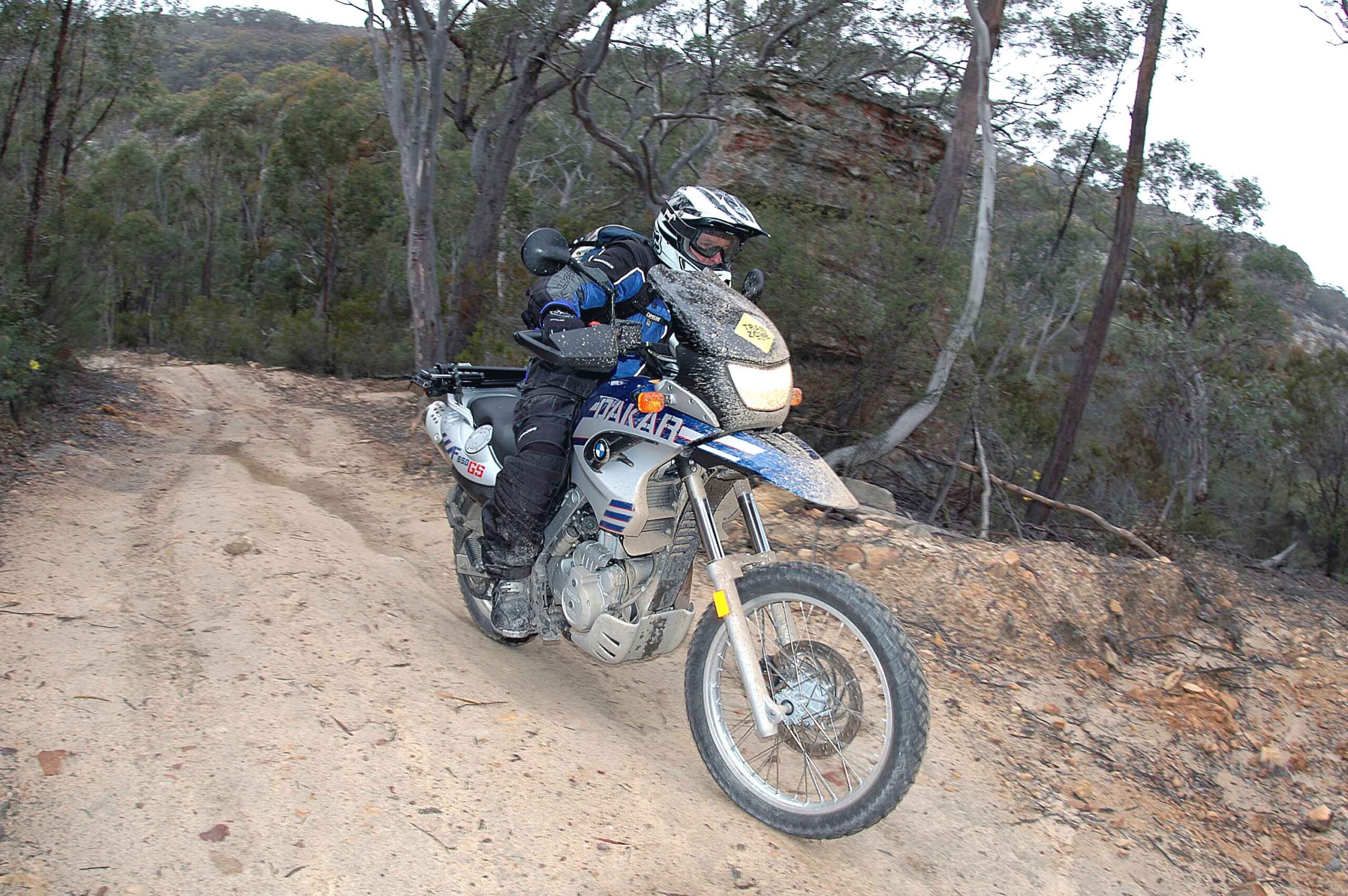
    The engine is the proven water cooled, single cylinder, 4 valve, double overhead cam Rotax engine. Its smooth power delivery of 37kW (50bhp) comes via a 5 speed transmission which hauls its 177.2kg (claimed dry weight) mass without much effort. One of the main features that separate it from others in its class is the underseat fuel tank.With a capacity of 17.3 litres the low centre of gravity makes it easier to handle the bike fully fuelled at 193kg. In the suspension department it has a steel box section dual swing arm with spring preload hydraulically adjustable and rebound adjustable unit in the rear and telescopic forks up front. To pull the whole thing up the Dakar is fitted with a ABS assisted (disengageable) double piston floating calliper, 300mm front disk brake with a 240mm disk at the rear. Our test bike was fitted with Metzler Enduro 3 front and rear which did the job both on and off road.

    The Dakar has a top speed of 170 kph so it was quite at home sitting comfortably at 100 kph on the highway. Making it even more comfortable is a wide seat and my favourite feature on cold mornings were the heated grips with two settings. The windshield keeps a bit of the breeze off your body making unavoidable stints on the highway a little more bearable. Instrumentation is analogue and easy to read and you also get plastic handguards and a robust rear carry rack for which there is a variety of BMW storage systems to fit.

    Who’s Buying It?

    The BMW F 650 GS Dakar is a very reliable long distance tourer with a little more off road bias than the standard F 650 GS. So two wheel tourers with a liking for the BMW brand quality and status who plan to push it a bit harder along more challenging fire trails will tend to go for the Dakar.

    Where Did We Ride It?

    We clocked up almost 800 kilometres on the Dakar. Starting from the Off Road Explorer headquarters south of Sydney, the first 2 hours were early morning highway cruising and peak hour madness to the Blue Mountains. At Clarence just east of Lithgow we headed into the bush starting on greasy muddy roads to twisty loaming fire trail with the odd descents and climbs.

    Along the Turon River the majority of our route was open dirt road with short sections of tar between Sofala and Hill End. From Hill End along the Bridle Track to Kelso, Sunny Corner back to Clarence. About 30% black top to 70% dirt road. The sort of terrain the Dakar just laps up. Check out the story elsewhere in this issue.

    What’s There To Like?

    Coming from an enduro/motocross background and throwing a leg over the Dakar is like sinking into your favourite couch for a long stint in front of the television. It’s probably one of the most comfortable seats on the market. Don’t get the wrong idea though. The Dakar isn’t short on performance and I was impressed with its smooth power delivery and acceleration. The seat paired with the heated grips ensures you’re well armed to tour the country and arrive at your destination in good shape.

    What’s Not To Like?

    Even though the grips are heated they look a bit like the grips on your little sisters bicycle except they’re black instead of pink. My biggest worry about the Dakar is its weight and its one of the heaviest in its class. For off road use the rubber foot pegs are inadequate and for the serious off road tourer I’d be inclined to remove the ABS system completely. Forgetting about the ABS on a steep downhill I grabbed a handful (or is that foot full) of back brake to change direction and the bike responded by shuddering with no sign of slowing down. Fortunately you can turn the ABS off but it has to be done each time you start the bike.

    The Verdict

    If you have a spare $14,000 laying around, looking to do some off road long distance touring then the Dakar is one of the best options. BMW have a wide variety of luggage touring accessories and there is no shortage of performance enhancements from companies like Motohansa. Funnily enough, on my way back down the mountains on our return to Sydney I spotted only two other adventure bikes travelling in the opposite direction, which were none other than a F 650 GS and a Dakar. If you have the budget, and you’re looking for an all rounder the F 650 GS Dakar will definitely do the job.

    Many of the test bikes, project bikes, products, prices, suppliers and their details that appear on this website may no longer be accurate. Readers are urged to check bike, product or brand web sites for latest prices and specifications.

  • 2007 Kawasaki KLR650

    2007 Kawasaki KLR650

    You get what you pay for but Kawasaki’s KLR650 provides one of the best entry-level adventure bikes.

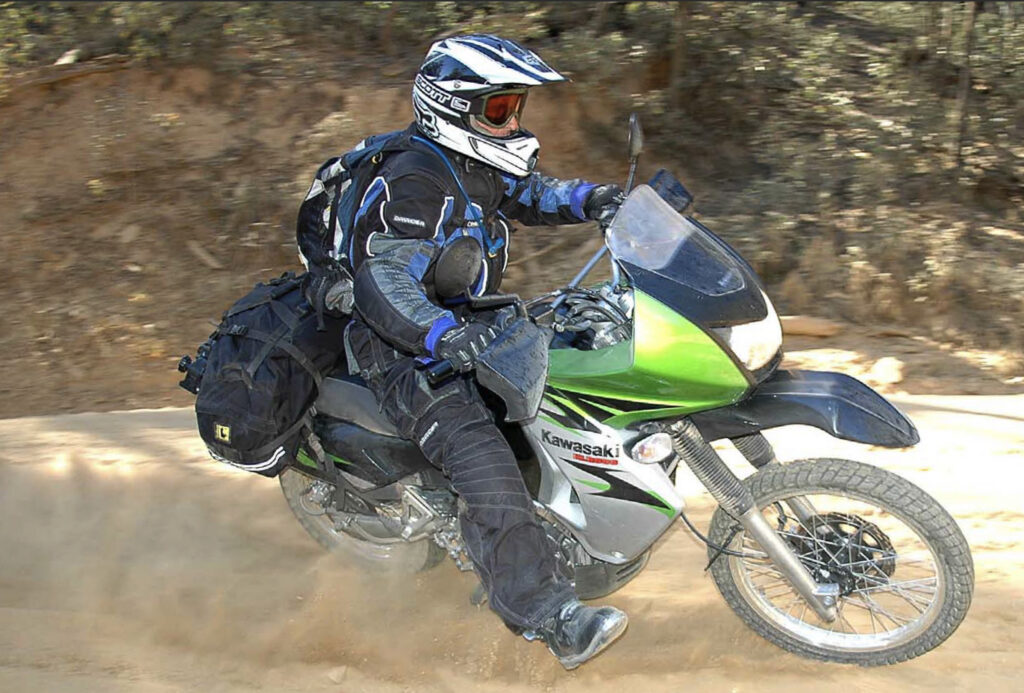
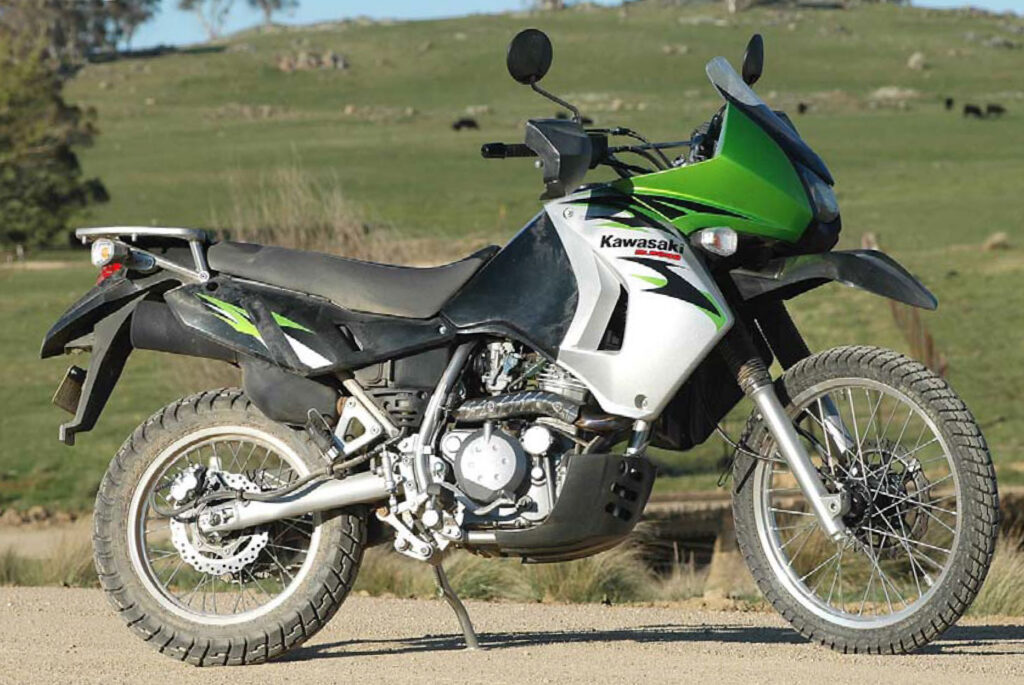
    2007 Kawasaki KLR650

    Kawasaki broke away from the typical big bore trail bike design to adapting road bike characteristics like plastic fairings, larger screen and dual headlights.

    Underneath the fairing, silver radiator shrouds and the large carry rack it still is just a big 650cc trail bike with a 23 litre tank. Its only when you look at the upgrades from the previous model can you see that Kawasaki has improved it marginally by making a heap of small improvements that when combined make a big difference while keeping it within its current price bracket.

    Overall Score

    7.5

    651cc single Cylinder

    42 hp

    159kg

    889mm

    Solid rear rack
    23 Litre fuel tank
    Comfortable seat
    Average suspension
    Restrictive airbox

    Verdict

    Regardless of the KLR’s lack of punch in the engine department, it can be fixed, and straight off the showroom floor it is the best value for money for anyone getting into adventure bike touring in that price range. It isn’t as responsive as the DR650 but there’s no need to spend money on a larger tank or luggage rack not to mention it comes with an effective fairing and that’s why Kawasaki dealers cannot get enough of them.

    Buying Secondhand

    We found 2009 KLR650 for $4000 with relatively low kms for an almost thirty year old bike. If you’re going to buy of this vintage stick to KLRs, DR650’s and XTZ600 Yamahas. Like any bike this old look for something that has been blinged to the eyeballs.


    A new generation of klr arrives

    A few months ago I was out four wheel driving with some mates checking out some trails Morton National Park just south of Nowra NSW doing a reccy on potential adventure bike loops. You see I’d just got the nod from Clubby to join the Trailzone team as dual sports editor and all things adventure bike. We had pulled up at Tianjara Falls just off the road that runs south to Nerriga and beyond to Braidwood. We were just having a snack out the back of the Jeep when four guys pulled in on adventure bikes. Keen to promote Trailzone and it’s additional content I immediately struck up a conversation with them.

    The first guy was on a big arse BMW GS1200 Adventurer totally accessorized and definitely looked the money. The next a BMW Funduro complete with 19 inch front wheel, then a guy on a Suzuki V-Strom who was clearly loved his bike despite the fact it looks like a road bike (I shouldn’t talk ill of the V-Strom as I haven’t ridden one yet) and a Kawasaki KLR 650 that was probably a couple of years old. They each sang the praises of there own bike but the guy on the Kawasaki KLR650 was the only one to say it’s a perfect entry-level bike. He said he’d had a big get off his enduro bike and as a result adventure bike cruise had taken his fancy. To me the KLR looked too much like a trail bike to be taken seriously as an adventure bike so I decided to do a little research. What I found is a bunch of web sites dedicated to the KLR and like DR riders there no limit to the modifications punters out there are making to build an economical adventure bike.

    It was about the same time Kawasaki released their completely restyled 2008 KLR650, which appeared to be a big, step up from the previous model. I wasn’t that fussed on the road bike styled fairing but it was starting to grow on me.

    What Does It Cost?

    The Kawasaki KLR650 retails for $7,990, which is only $300 more than the Suzuki DR650SE at $7.690. For that extra $300 you get a larger capacity tank, an effective fairing and a proper carry rack. The DL650 V-Strom comes in next at $9,990 then everything after that is over ten grand and out of your budget if you’re looking at a KLR. Mind you the Kawasaki KLE500 is also $7,990. Haven’t figured that one out yet.

    What Do You Get For Your Money?

    As I mentioned before on the surface it’s pretty much straightforward steel framed 650cc trail bike. It’s only when you look at the improvements over the previous KLR you start to see real value as a dual sport bike. To do this Kawasaki has given the KLR a little bit more road bias by focusing on new suspension and brakes. The new 41mm forks now have less static sage resulting in better pavement handling with the front suspension travel reduced by approximately 3.5 cm. The redesigned Unitrak linkage is designed to compliment the front suspension with less sage and also has had its travel reduced by a bit over 2 cm.

    One thing for sure is that the KLR pulls up well courtesy of the new 280mm petal style front brake rotor similar to the ones on Kawasaki Ninja sports bikes. The rear brake has also been upgraded and where traction was available pulled up really nicely.

    One area that the KLR has it all over the Suzuki DR is its rear carry rack, which really proves its value with each piece of luggage you load up. We strapped on a Wolfman Alpha carry bag plus a camera tripod. The rack is wide and flat so once everything was secured nothing rolled over the side and the bike felt perfectly balanced throughout our testing trip.

    Up front the KLR now has larger shrouds and a taller windscreen offering better wind protection. My first thoughts were that the front fairing looked like a rejected sports bike design and not very ‘adventure bike like’. However I have to admit that it works effectively and for the taller rider you just need to fit a slightly taller aftermarket screen, which Kawasaki is currently sourcing. The hand guards also offer excellent wind protection but offer little protection for the lever in the event of a fall unlike Barkbusters.

    Another big plus over the DR is the standard 23 litre fuel tank giving it a greater range to qualify it as a serious adventure bike. With that long fuel range Kawasaki has improved the seat design with new urethane foam and after four straight days of riding it proved its worth. Kawasaki has fitted a high capacity 36W alternator that powers higher output headlights with the extra capacity to power a GPS or any other electronic device that somebody convinces us we can’t do without.

    Who’s Buying It?

    The KLR650 is a very serious contender as an entry level option for the adventure bike enthusiast if you can’t afford BMW anything or a KTM 640 Adventurer. Seriously though, with its improved pavement ability it doubles well as a suburban commuter. Really no kidding, it came in really handy when we had to shoot down the road to pick up the off road explorer flyers.

    Where Did We Ride It?

    Over four days we covered 1,600 kilometres on the KLR over what we estimated to be about 30% pavement and 70% dirt. Most of it was open dirt road through the Victorian High Country. The first and last part of the trip was straightforward highway cruising, until we reach the speed humps of McDonalds car park in Nowra. The tar lasted a little longer than expected with the State government spending money on roads of little use instead of hospitals but this is no place to get political.

    From there it was back roads all the way and the KLR’s high cruising speed almost caught us out a couple of times but its off road heritage shone through when its counts.

    What’s There To Like?

    Out of the box the KLR650 is the most adventure ready bike at this price level. It has a 23 litre tank, an effective fairing and an excellent carry rack. The seat is very comfortable and I liked the overall ergonomics both standing and seated. We proved that you could take a dead standard KLR and get straight into long distance touring with greater refuelling intervals than the Suzuki DR650SE and the Yamaha XT660R.

    What’s Not To Like?

    The KLR650 motor is renown for its reliability. Kawasaki claim that there’s improved throttle response from a new throttle position sensor and revised ignition mapping, revised cam timing to improve high rpm performance. The redesigned cylinder head has new intake porting for greater low-end torque and quicker throttle response and improved top end power.

    To me the engine felt terribly restricted as result of a small air box and an over baffled exhaust system. I can’t help but think opening up the air box and an aftermarket bike will completely transform this bike. Mind you I’d like the suspension to be a little more dirt bias but that’s just my preference. One thing for certain the rubber pegs have to go if your serious about adventure riding and replace them with some aftermarket enduro pegs.

    Verdict

    Regardless of the KLR’s lack of punch in the engine department, it can be fixed, and straight off the showroom floor it is the best value for money for anyone getting into adventure bike touring in that price range. It isn’t as responsive as the DR650 but there’s no need to spend money on a larger tank or luggage rack not to mention it comes with an effective fairing and that’s why Kawasaki dealers cannot get enough of them.

    2026 Kawasaki KLE500

    19/08/2026

    We Test the KLE500 in the Australia Outback and despite its low slung belly it performed surprisingly well in the rocky Aussie desert.

    2024 CF Moto 450MT

    05/09/2024

    We test the CF Moto 450MT for 3000+ kilometres across the Australian outback. With just a few protective accessories we attack the ride without an issue.

    2009 Honda Transalp

    13/07/2009

    Is Honda’s all-new Transalp just a back-roads adventure bike, or can it rekindle memories of the Africa Twin?

    2007 BMW F650GS Dakar

    17/11/2007

    Ask most people which brand comes to mind when you talk Adventure bikes and more often than not its BMW Dakar.

    2007 Kawasaki KLR650

    21/06/2007

    You get what you pay for but Kawasaki’s KLR650 provides one of the best entry-level adventure bikes.